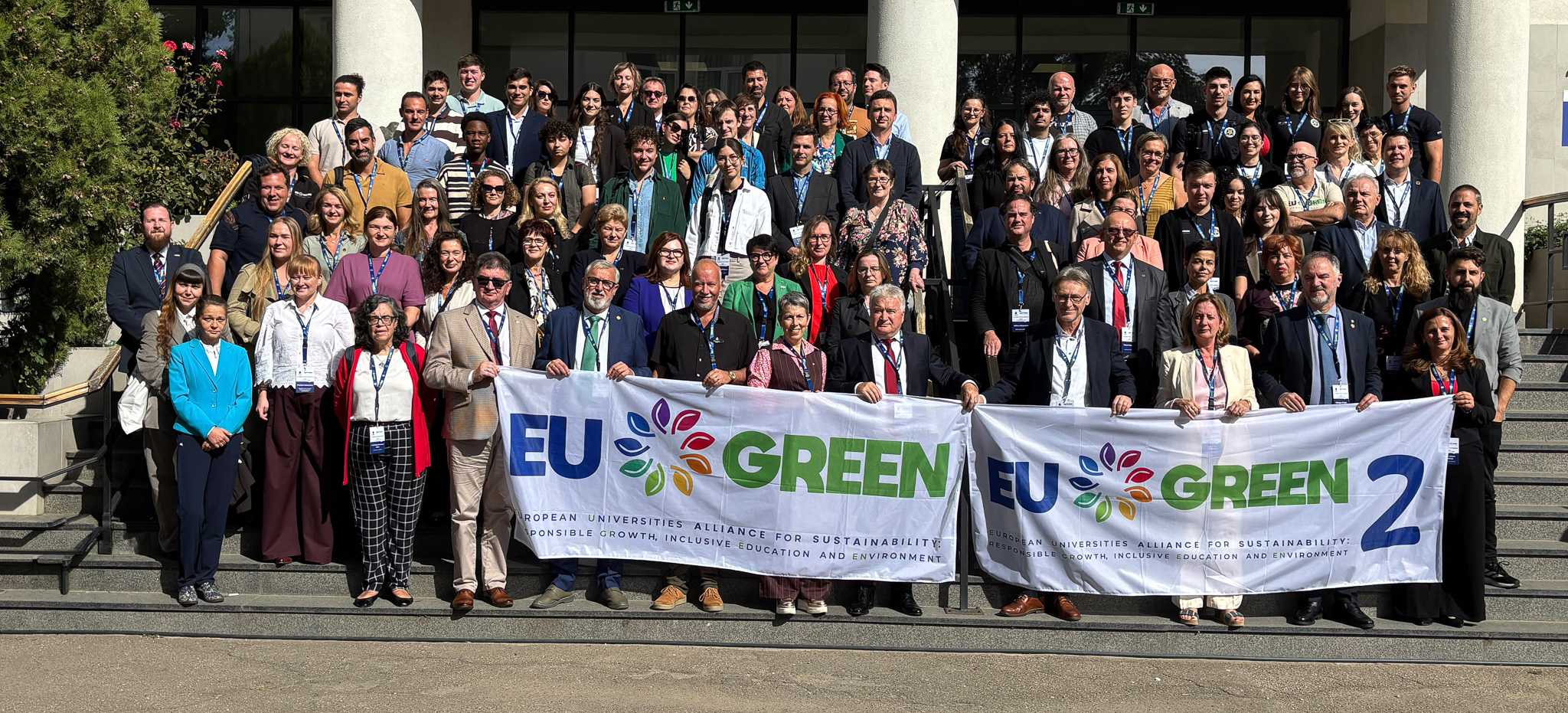

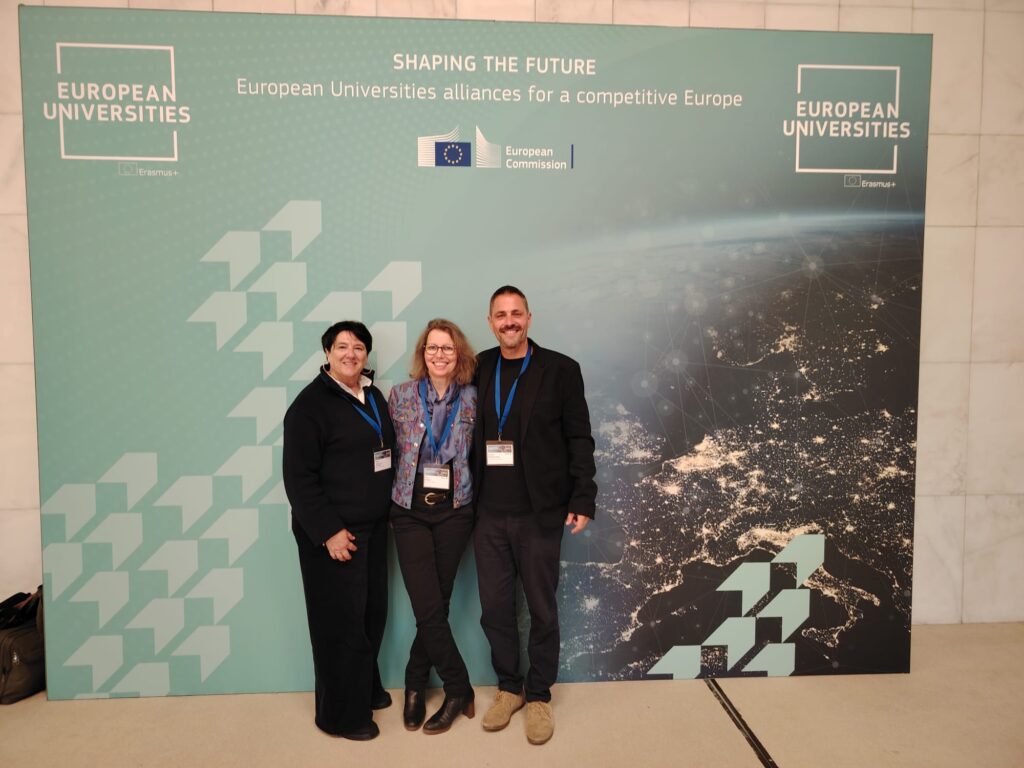
On 14 April 2026, EU GREEN took part in the European Universities Coordinators Working Retreat held in Brussels, a key gathering of alliance representatives, European Commission officials, EACEA, and stakeholders involved in shaping the future of the European Universities Initiative. The retreat provided an important space for reflection, exchange and coordination on the challenges and opportunities ahead for the alliances in the context of the next Multiannual Financial Framework 2028–2034.
EU GREEN coordination team had the opportunity not only to engage in discussions with other alliances and institutional actors, but also to present EU GREEN’s perspective during the breakout session on “Reporting and reviewing processes: optimisation and streamlining”, held as part of the working session on performance monitoring. This session explored how monitoring and reporting frameworks can become more efficient, more coherent and better aligned with the long-term transformative ambitions of the alliances.
Throughout the day, participants addressed major strategic issues related to the future design of Erasmus+ support for the alliances. Discussions touched on potential future funding models for the 2028–2034 period, mobility, the international cooperation dimension of alliances, the role of alliances in strategic sectors for EU competitiveness, their contribution to completing the European Research Area, and the broader challenge of building communities while valorising results.
One of the most relevant themes across the exchanges was the future funding framework for alliances. Participants reflected on possible scenarios for longer grant durations, with discussions pointing to funding perspectives of five, six or even seven years. In that context, several alliances highlighted the importance of aligning future support schemes with the diversity of existing alliance models, institutional realities and levels of maturity. There was a shared call to strike the right balance between performance monitoring and accountability, on the one hand, and flexibility and strategic autonomy, on the other, so that alliances can remain responsive to institutional transformation processes while fulfilling their contractual obligations.
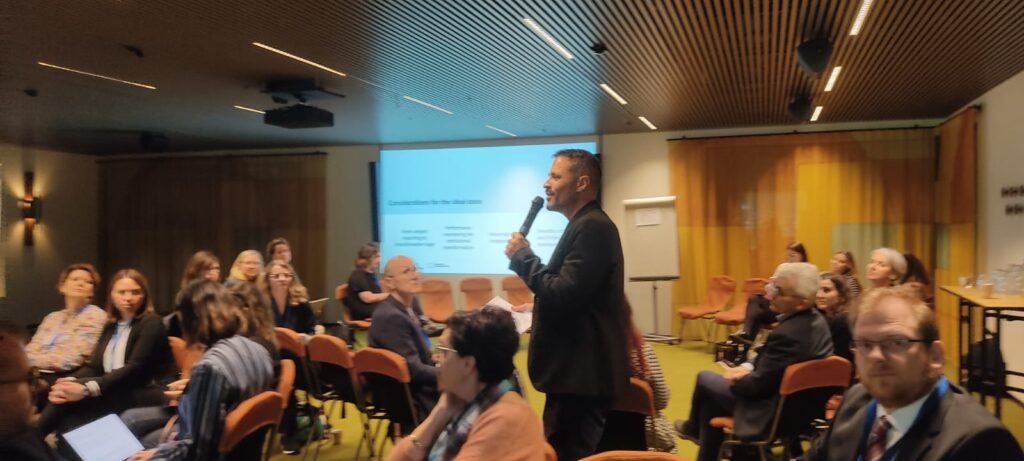
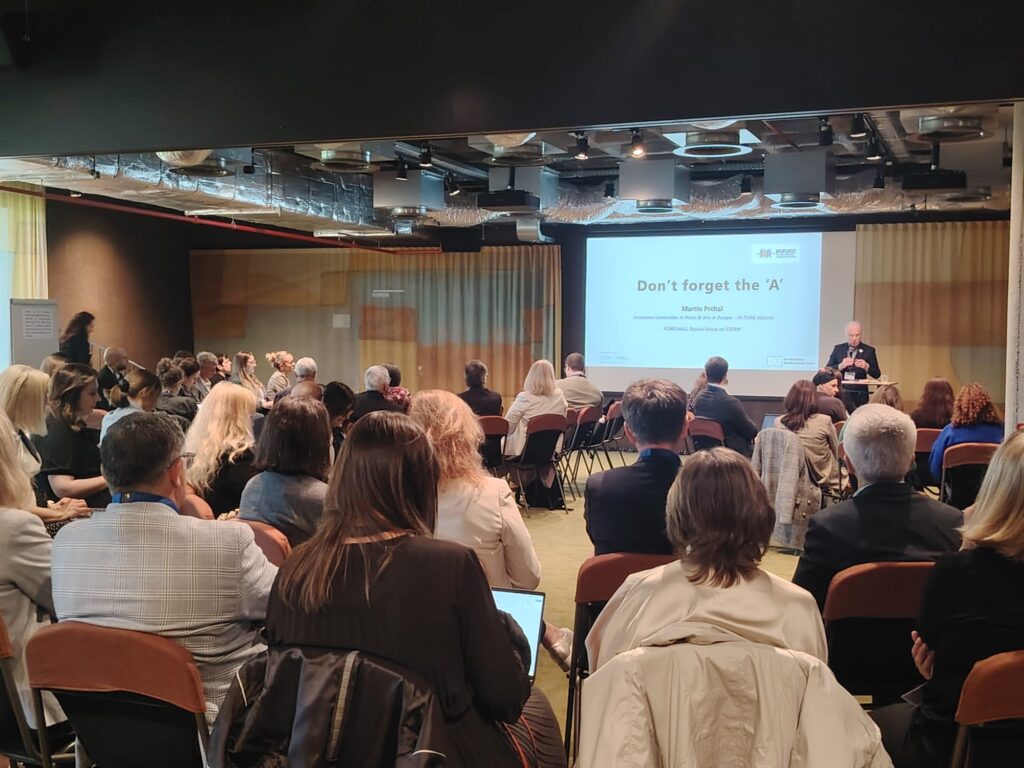
Another important topic was the alignment of the alliances’ work with the Competitiveness Compass and the broader EU agenda for a more innovative and resilient higher education sector. In this regard, the session on competitiveness proved especially inspiring. A key message that resonated strongly was: “Do not forget the A in STEM.” This was presented as a reminder that arts, creativity and interdisciplinarity must remain central in Europe’s educational and innovation strategies, as example where life-long learning and excellence is the only way possible. The discussion encouraged alliances to promote STEAM approaches from early education stages, identifying this as one of the major long-term challenges for Europe.
During EU GREEN’s intervention in the session on reporting processes, the discussion focused on a challenge that is increasingly familiar to all alliances: the duality between short-term project management and long-term alliance management. Current reporting mechanisms often prioritise activities, deliverables and short-term outputs, while the real ambition of the European Universities Initiative lies in sustained institutional transformation, strategic integration, innovation ecosystems and long-term impact. This was fully in line with the concept note of the session, which called for monitoring systems capable of going beyond project outputs and better capturing sustainable change and transformative results.
Building on both the preparatory concept note and the collective discussion in Brussels, the session examined how processes such as calls, applications, reporting and review procedures could be better aligned and streamlined to reduce administrative burden while supporting continuous and in-depth assessment over time. Participants also reflected on how existing tools and templates could be improved to create clearer links between activities, outputs, institutional transformation and long-term alliance vision. Finally, there was broad agreement on the need for monitoring systems that better reflect the full scope of alliance ecosystems, including synergies with complementary EU, national and regional initiatives.
A particularly positive point raised in the discussion concerned the value of the interim report and review process. The combination of written reporting, review meetings and follow-up recommendations was seen as a useful mechanism to help alliances adapt their work plans in dialogue with external evaluators and the Executive Agency. Rather than being understood only as a compliance exercise, the review process was recognised as a potentially constructive tool to support learning, adjustment and strategic development over longer funding cycles.
Across the different sessions, there was also a recurring call for clearer definitions and common understandings regarding key categories within the European Universities Initiative, notably mobility, virtual mobility, communication and dissemination. These concepts remain central to alliance implementation, yet their interpretation can vary significantly across institutions and projects. Greater clarity in these areas would help improve coherence in implementation and make monitoring and reporting more meaningful.
The session on reporting and reviewing processes concluded with a clear message from alliances: templates, categories and requirements should be adapted to ensure fit-for-purpose data collection, reduce unnecessary complexity and better support the meaningful involvement of partner staff in reporting phases. This is particularly important if alliances are to remain accountable while staying focused on their core mission: driving institutional transformation, strengthening European cooperation in education and research, and contributing to innovation and societal impact across their ecosystems.
For EU GREEN, participating in this retreat was both timely and valuable. It allowed us to contribute to the collective reflection on the next phase of the European Universities Initiative while reaffirming our commitment to a model of alliance development that combines strategic vision, institutional integration, accountability, and long-term transformative ambition. The discussions in Brussels clearly showed that alliances are not only implementing projects: they are helping to shape a new and vibrant Higher Education sector in Europe.