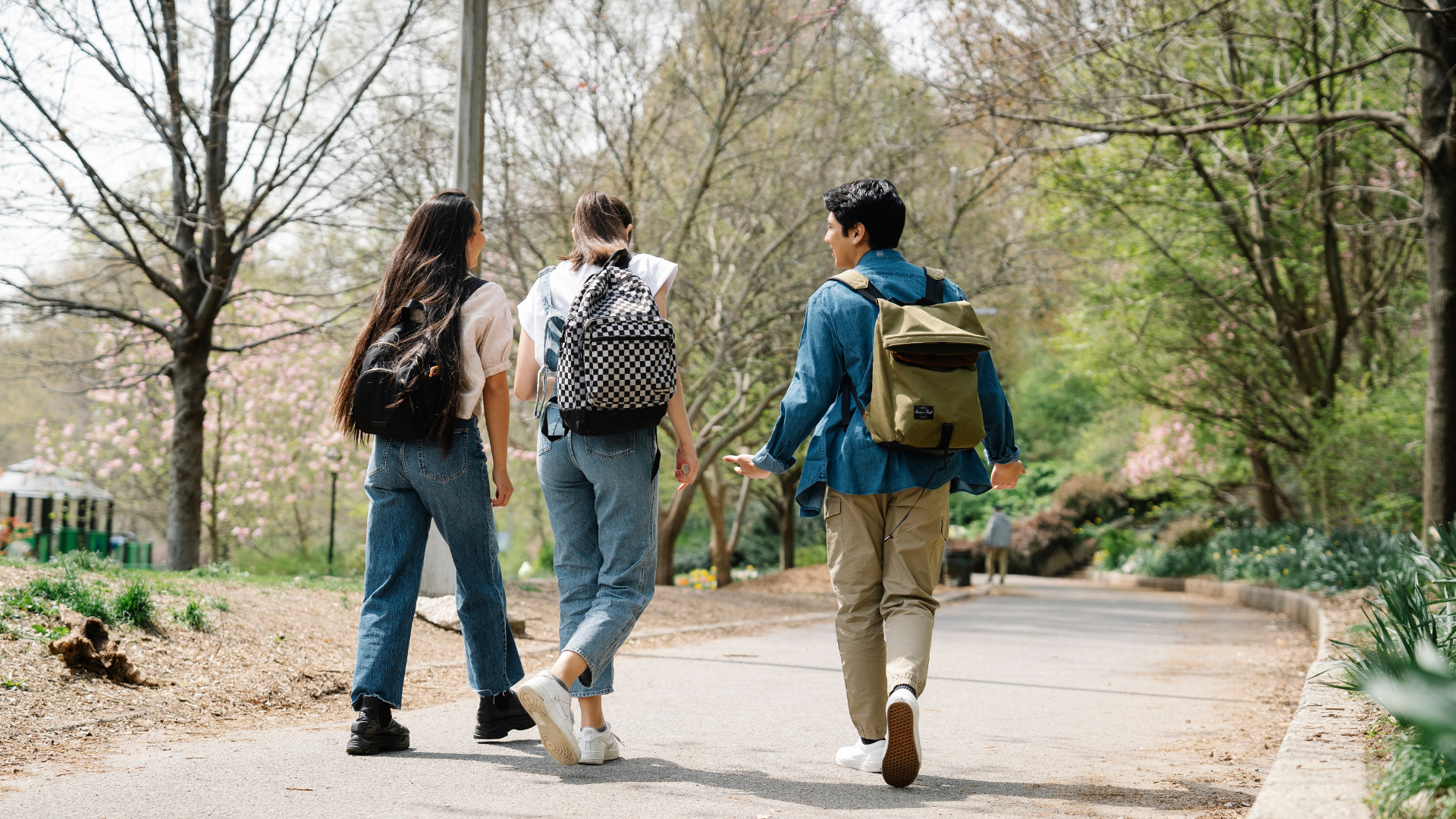

“Cycling to and from work clears my mind. Some of my best ideas happen on a commute!”
Quote from a participant of the EU Green My Cycle Stories campaign.
To mark World Sustainable Transport Day on 26 November 2025, Atlantic Technological University (ATU), as coordinating university, invited EU GREEN partner institutions to take part in a shared campaign Cycle to Campus. Be EU GREEN.
The campaign was designed to promote cycling and other low-carbon commuting options to campus while celebrating the voices and experiences of students and staff who already choose sustainable transport.
Cycling Stories
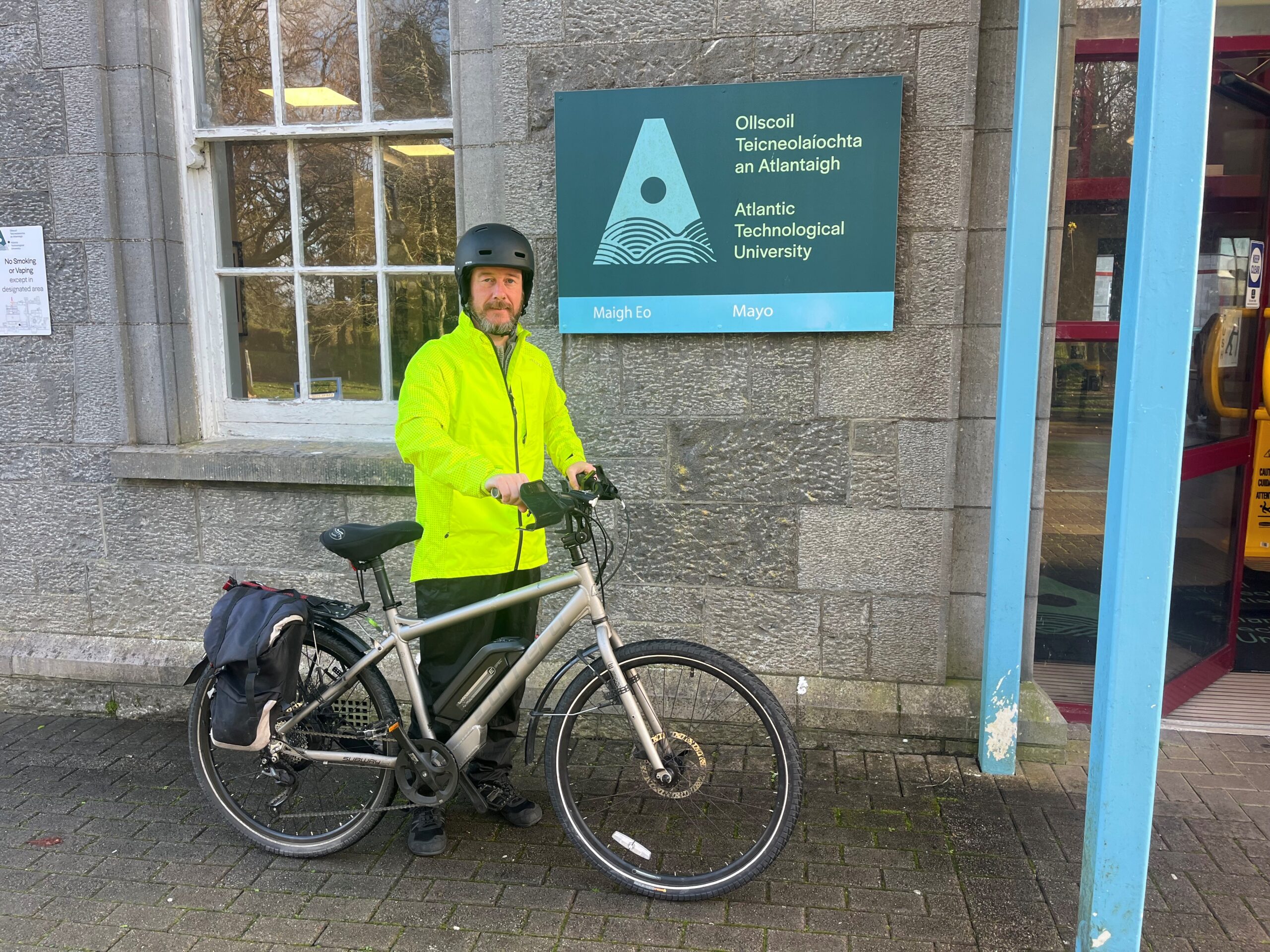
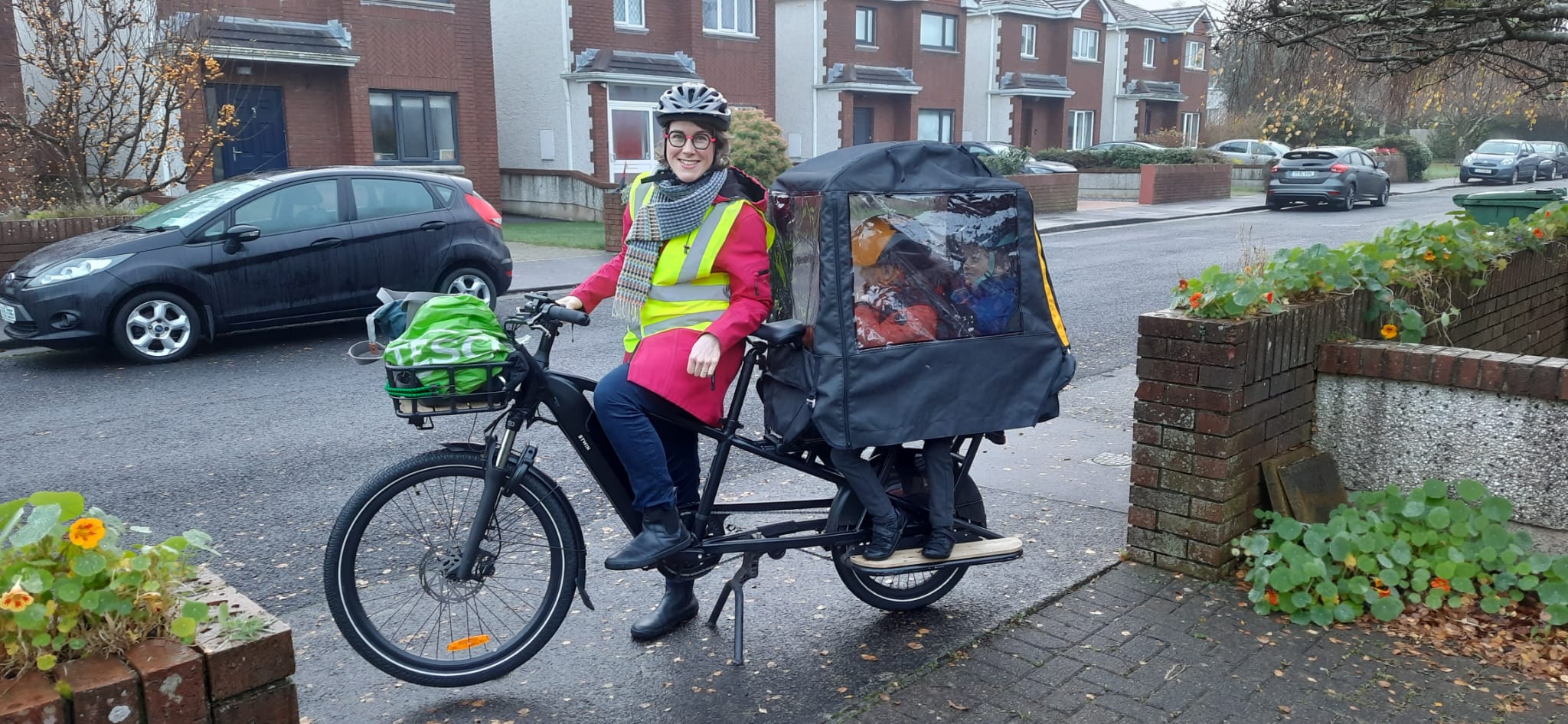
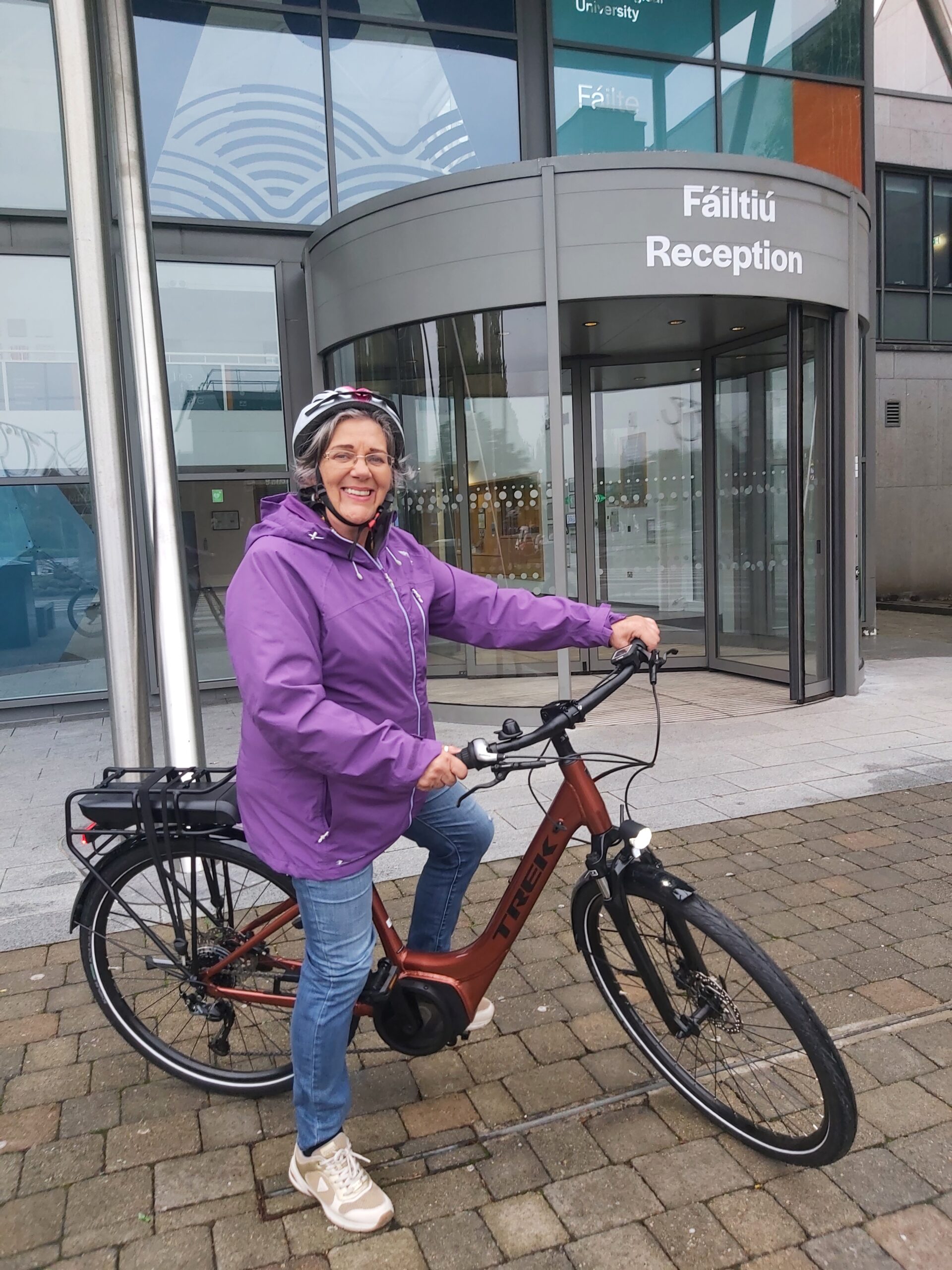
Atlantic Technological University, Ireland
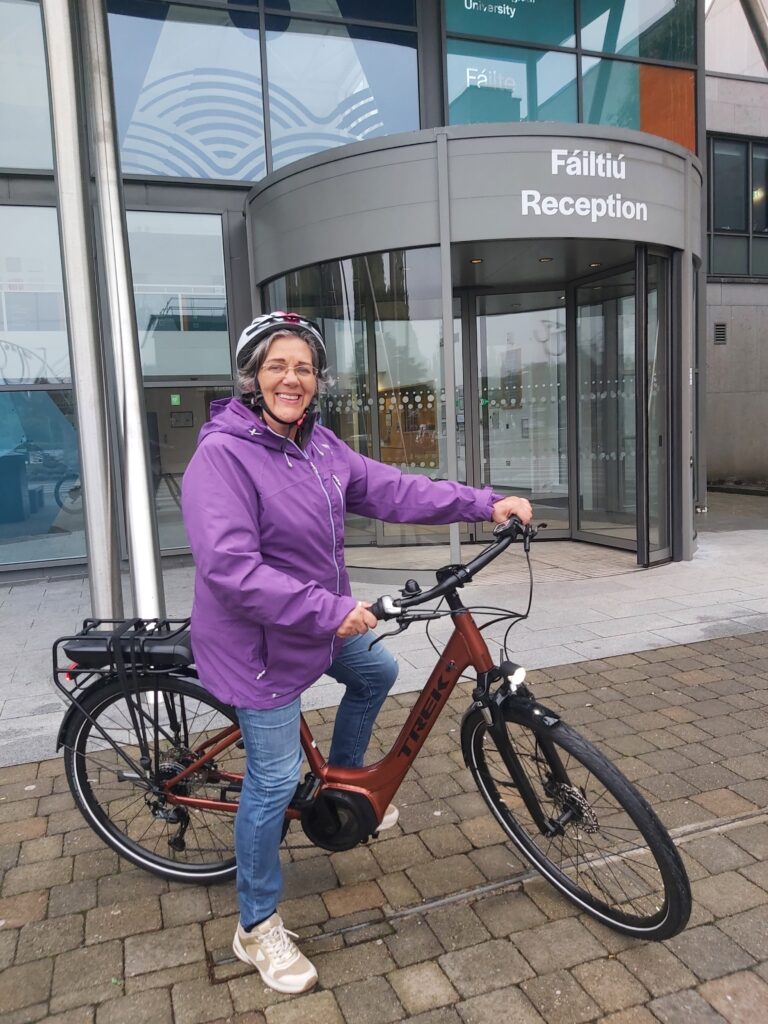
ATU carried out events and surveyed responses from 40 participants across six campuses, including 19 staff, 14 undergraduates, 6 postgraduates and one part-time student.
Cycling levels were notably high, with an average of four days per week reported. The typical roundtrip distance was 11 km, although some commuters travelled up to 40 km. Staff generally cycled more frequently and over longer distances than students, influenced by residence location and work patterns.
Overall, the data shows that cycling is not occasional or symbolic — it is a regular and embedded commuting choice for many within the ATU community. However it also noted that work is needed to develop supports and encourage participation. Here are the outcomes from the survey;
Why Does Cycling Work for You?
Cycling works because it is fast, reliable and stress-free.
Participants consistently reported that it is quicker than cars or public transport during peak times and offers predictable arrival times without congestion or parking delays. It fits smoothly into daily routines such as school runs, lectures and meetings, and offers independence from unreliable transport services. For those living within reasonable proximity to campus, it is the most efficient and cost-effective option. Many described cycling as enjoyable and freeing rather than a chore, with long-term cyclists identifying it as their preferred and habitual mode of travel.
What Benefits Have You Experienced?
The benefits reported span physical, mental and environmental dimensions.
Cyclists highlighted improved fitness alongside significant mental health gains, including reduced stress and improved mood. Many arrive on campus feeling alert, focused and energised. The commute provides built-in daily exercise without requiring additional time and supports a healthier work–life transition by allowing time to decompress. Participants also reported a stronger connection to nature and seasonal change, less stress from avoiding traffic, and satisfaction from reducing emissions. Long-term cyclists associated their commuting choice with an overall improvement in quality of life.
What Can ATU Do to Encourage More People to Cycle to Campus?
Respondents emphasised that infrastructure and visibility are key to wider uptake.
ATU can lobby local authorities for safe, continuous cycle lanes without gaps, improved junctions and well-maintained routes. On campus, expanded secure and covered bike parking, more showers and lockers, repair stations and charging points would reduce practical barriers. Incentives such as challenges, rewards, government supported Bike to Work scheme supports student bike loans could further encourage participation. Collaboration with local councils and bike shops, along with maintenance workshops and stronger promotion of cycling as a normal, everyday choice, would help embed a low-carbon commuting culture across all campuses.
Parma University, Italy
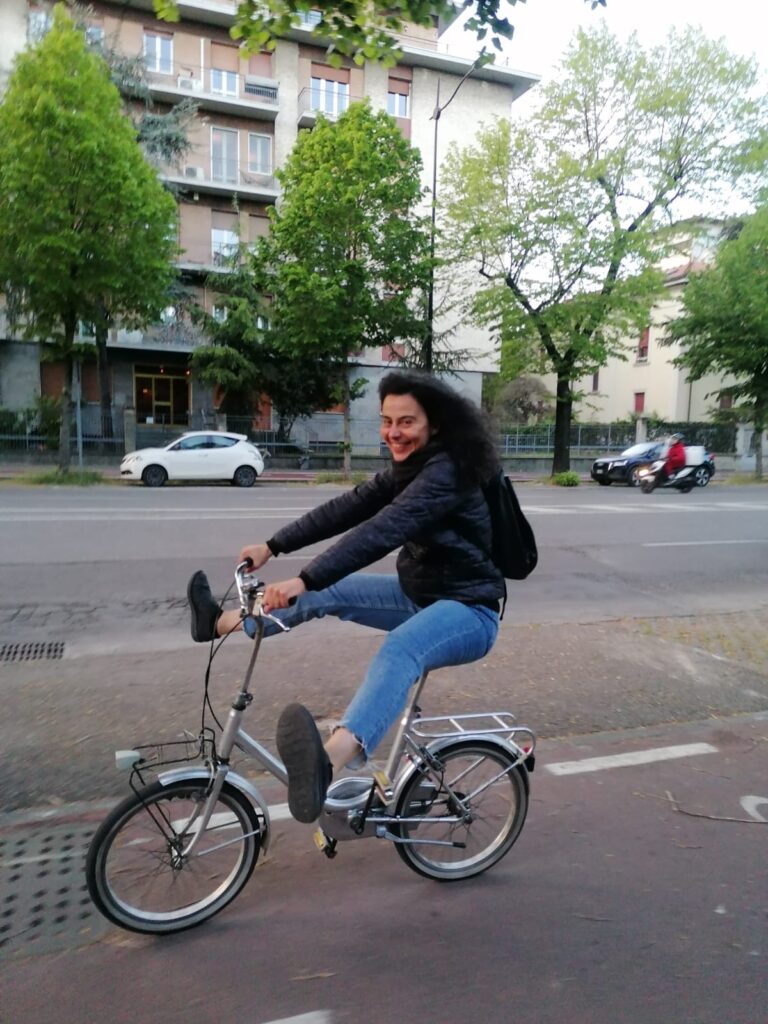
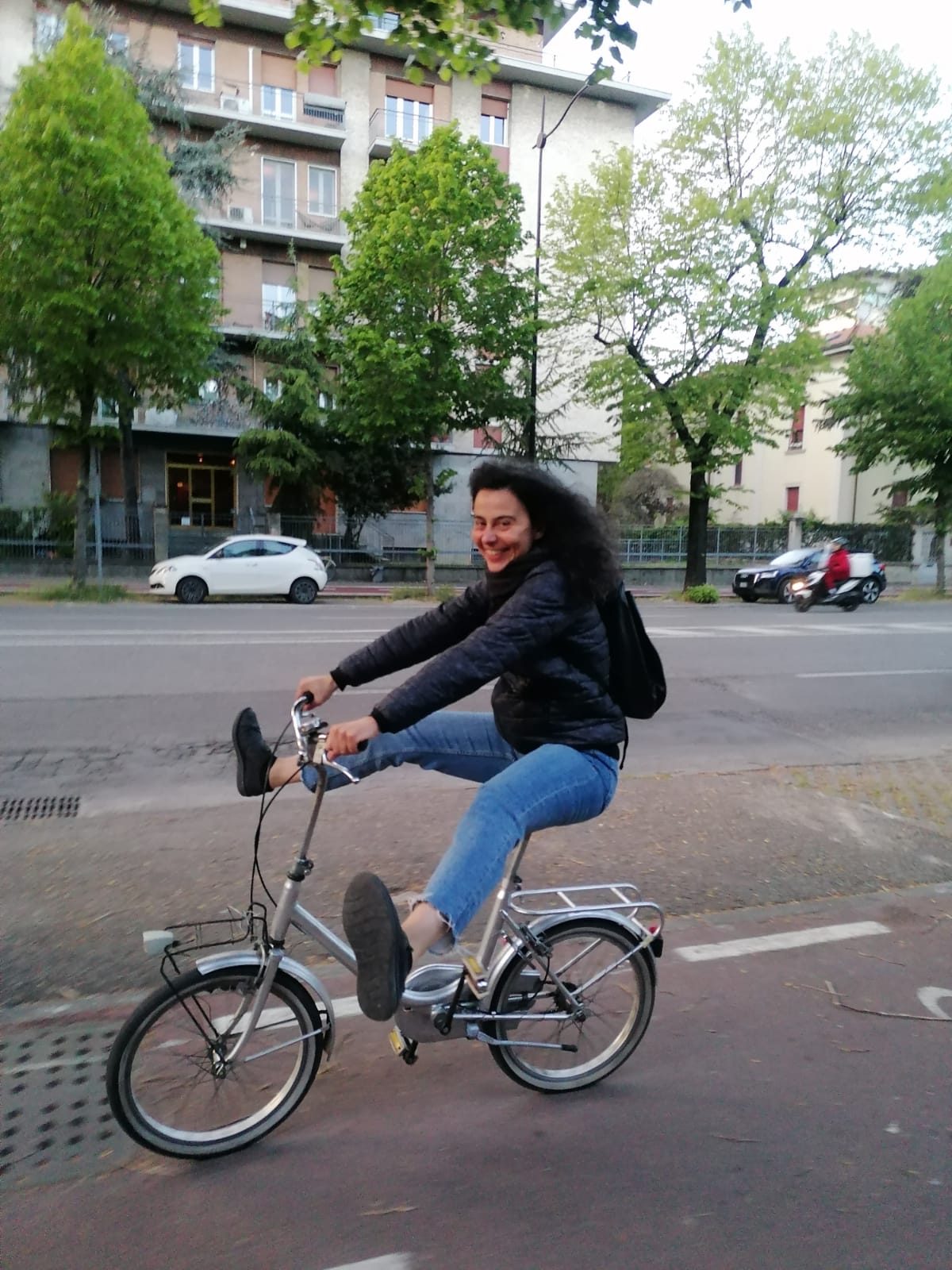
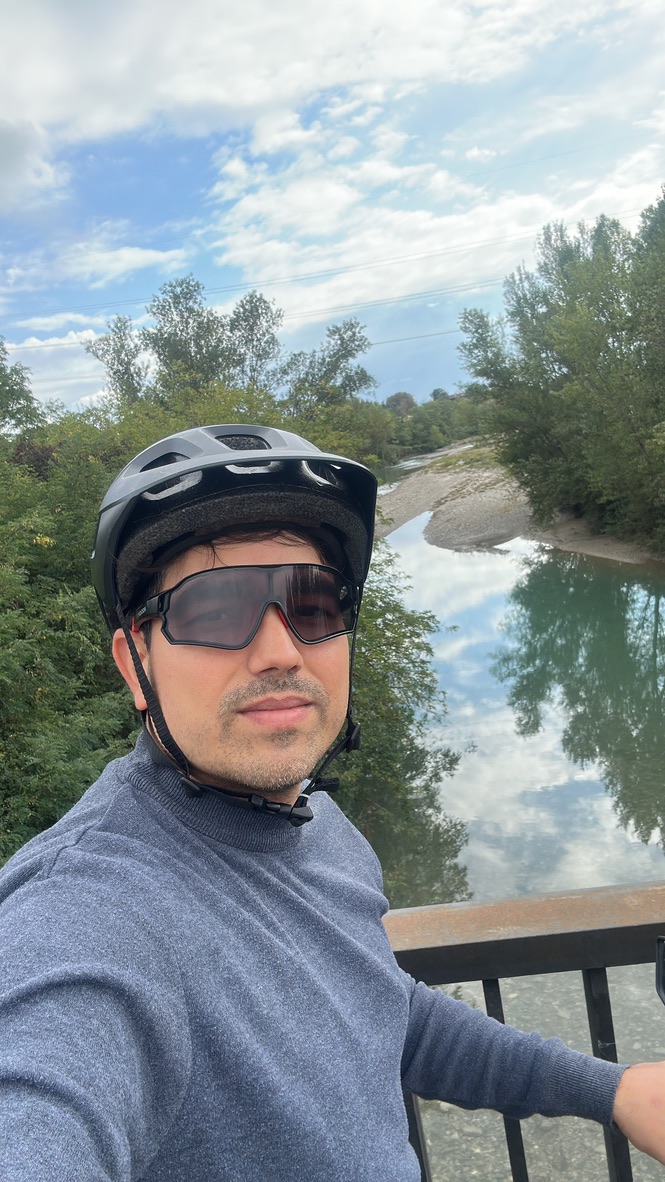
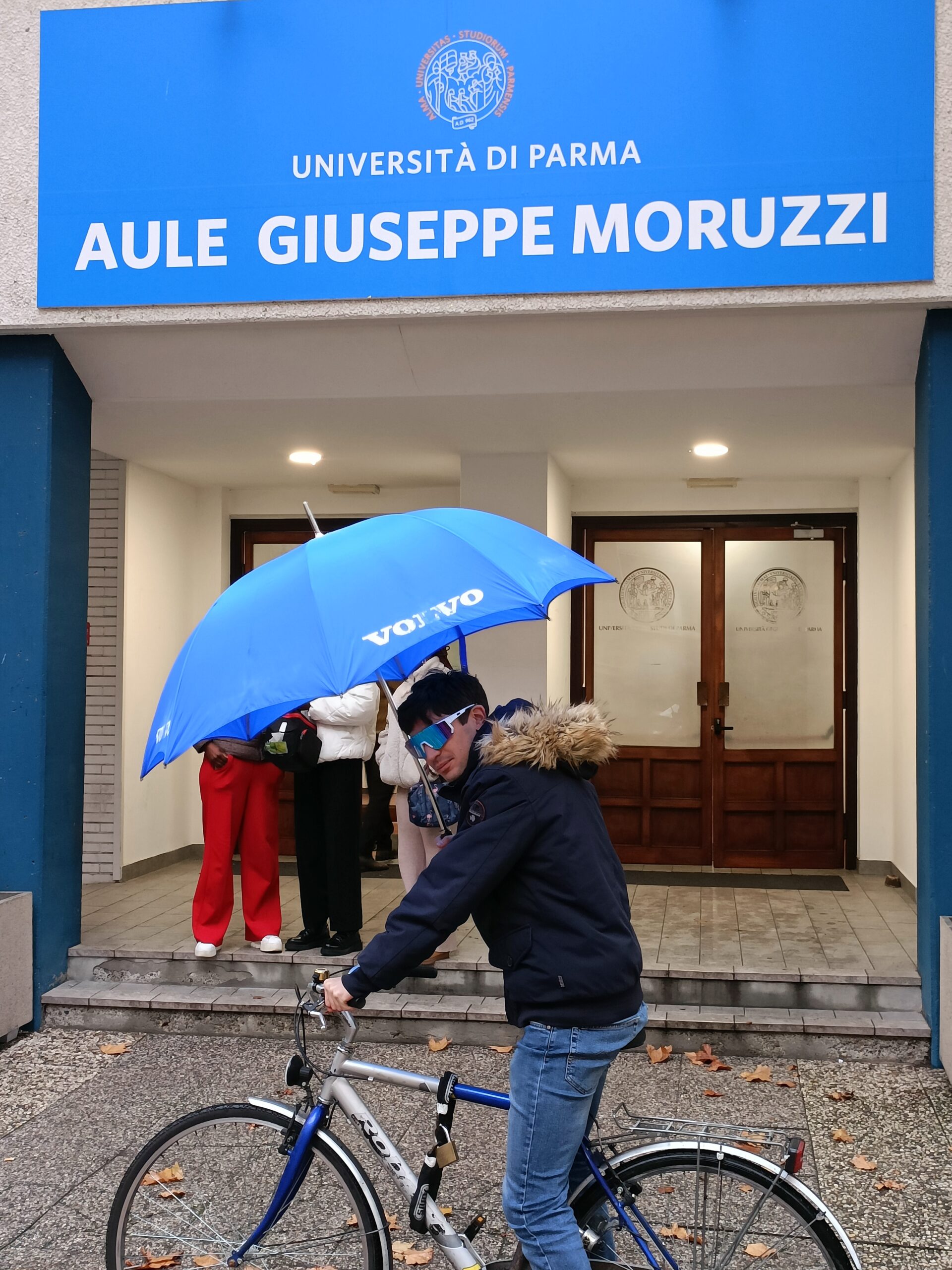
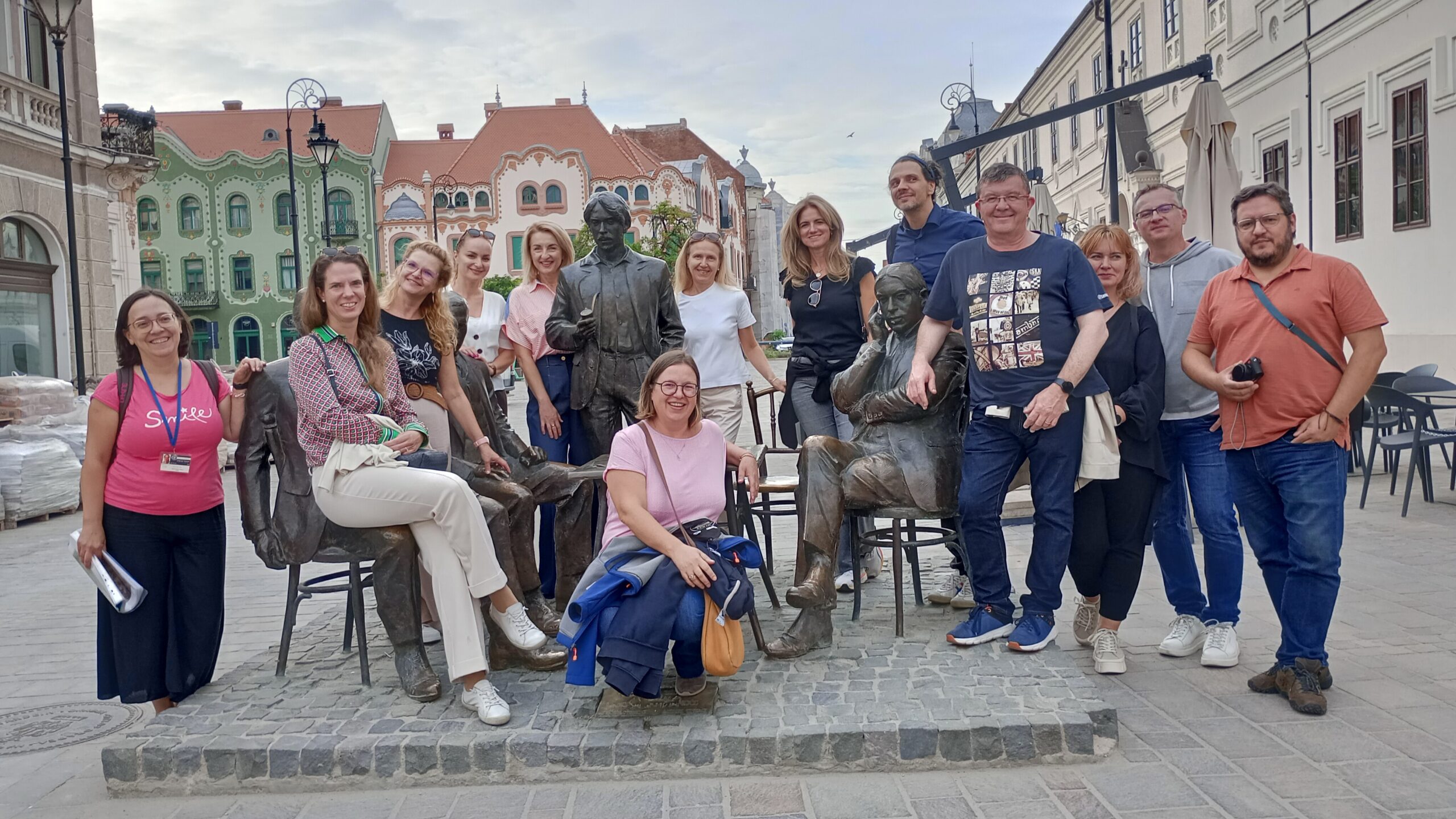
University of Parma engaged with students and staff to cycle to campus and share their personal “Cycling Story” through photos, videos, or short messages, reflecting on why they choose the bike, the benefits it brings, and what motivates them toward sustainable mobility.
The campaign highlights these everyday choices, the initiative showed how cycling contributes to a greener, healthier, and more inclusive university environment.
Participants submitted their stories with an opportunity to win a University of Parma gadget. They could also follow the broader EU Green alliance campaign via social media and the hashtag #CycleToCampusEUGreen.
World Sustainable Transport Day itself is dedicated to raising awareness about sustainable, safe, and efficient mobility systems, promoting solutions such as cycling, electric transport, public transit, and vehicle sharing to reduce environmental impact and build more livable, lowemission cities.
The engagement with students and staff created a commuting community with great stories and pictures.
University of Gävle, Sweden
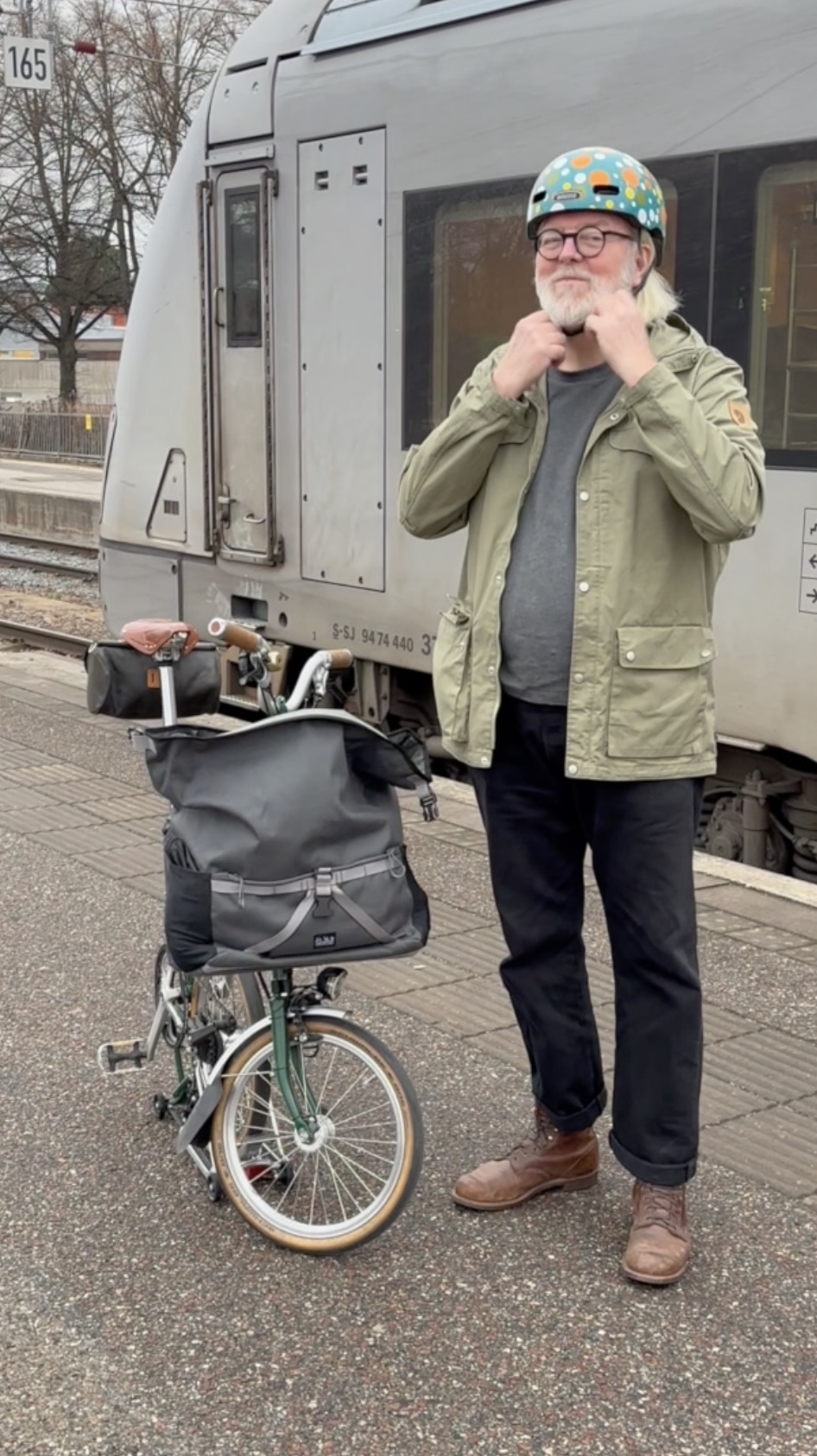
My Cycle Story from Marina Heiden, professor of the University of Gävle
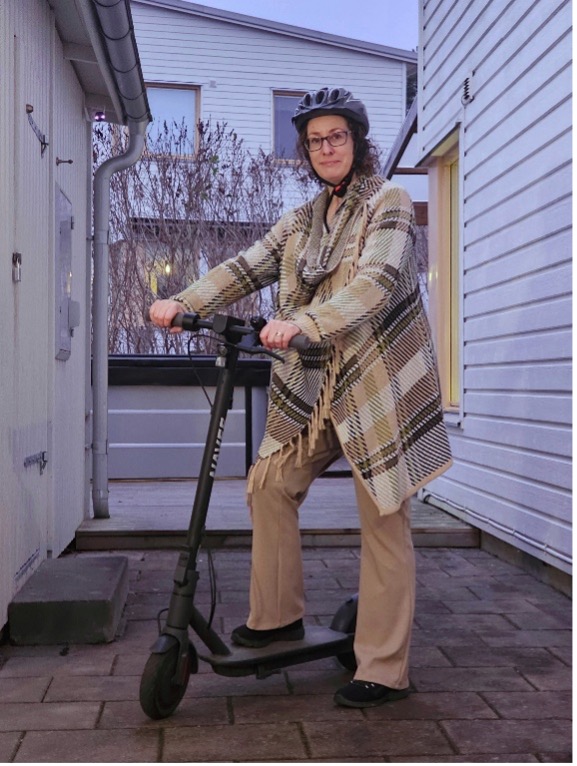
I commute 100 km twice a day by train to work. Luckily, I can use the travel time to get some work done. About three years ago, the train company began allowing bikes and electric scooters on board the train. I realized that I could save even more time by driving an electric scooter to and from the train station, so I bought a scooter that is easy to fold and bring with me. It saves me 50 minutes per day in commuting time. Granted, it does not give me exercise, but I feel less stressed.
Wrocław University of Environmental and Life Science
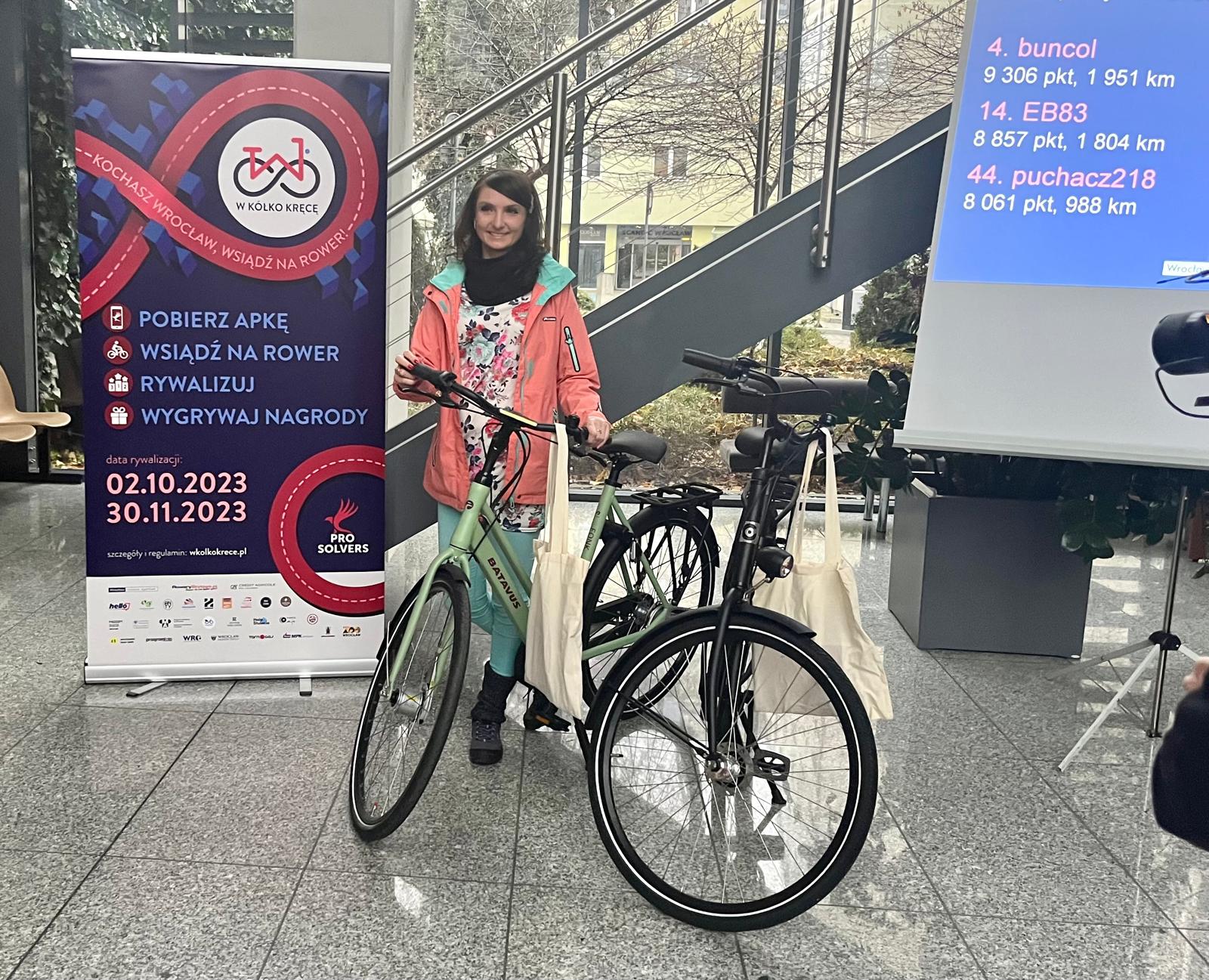
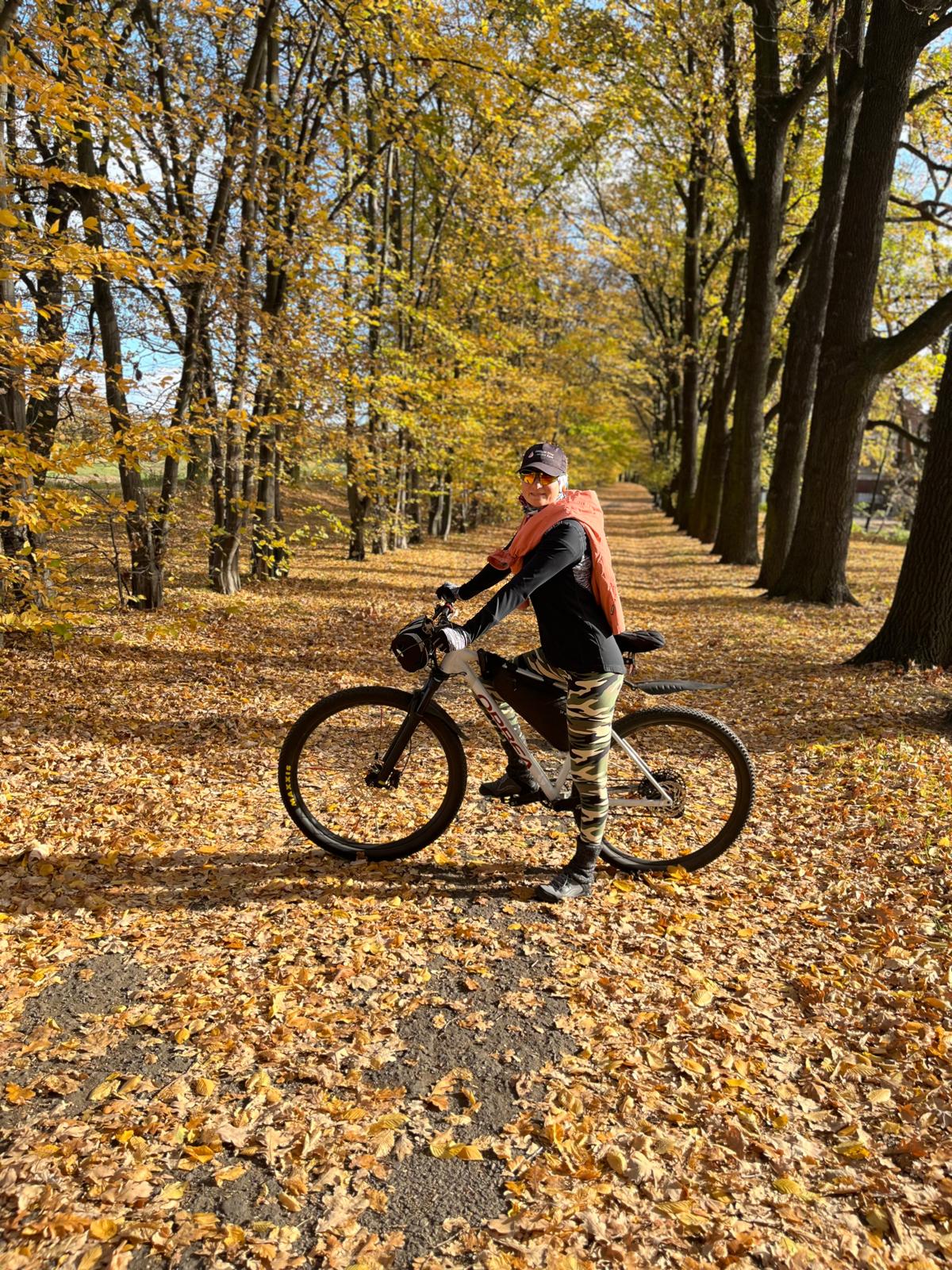
My Cycling Story – Elżbieta Kurpiewska, Wrocław University of Environmental and Life Science
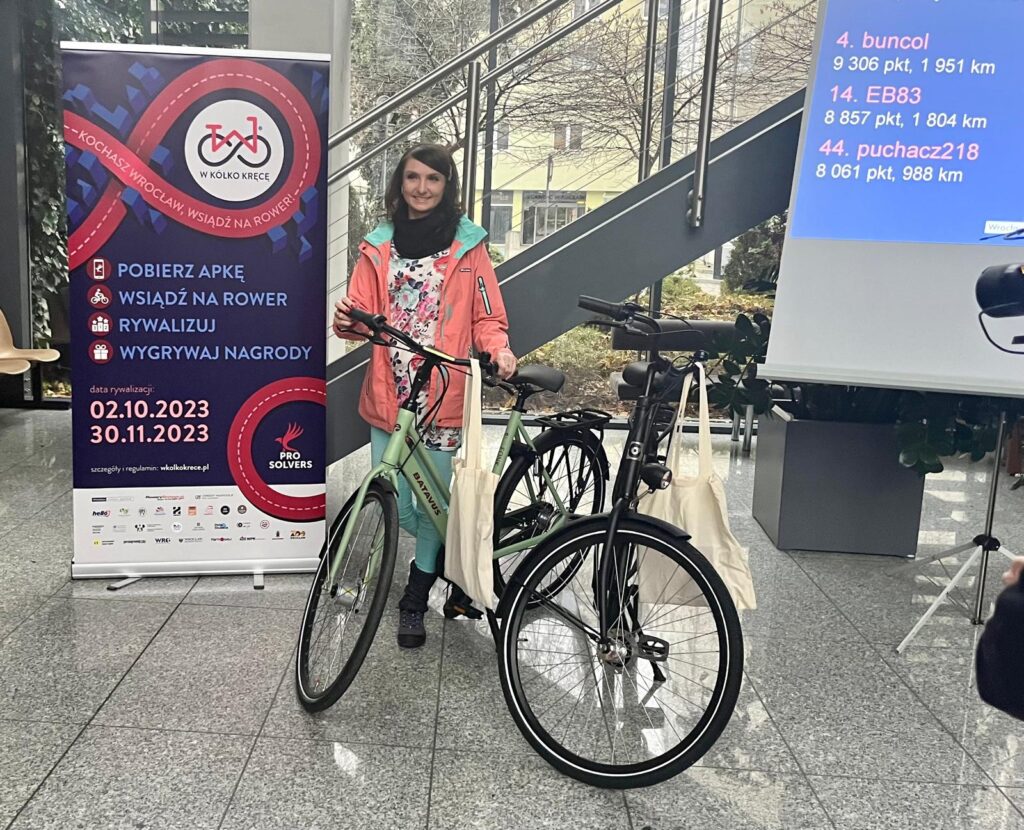
Today, my bike give me something that no other transportation can replace – a sense offreedom. I get on a bike and ride, regardless of whether it’s sunny or cloudy.
I don’t worry about traffic jams, late buses, or looking for a parking space. In return I getenergy that money can’t buy – a natural dose of endorphins, clarity of mind, improved well-being and overall physical resilience. Even a short ride can lift my mood, relieve tension andclear my head for the day’s challenges ahead.
Cycling is not just a way of getting around. It’s a lifestyle, a philosophy of everyday harmonyand a source of energy that drives me every day.
The Campaign:
The initiative centred on a coordinated alliance activity called My Cycling Story. Universities were invited to collect short reflections, photos and videos from students and staff explaining why they cycle, what motivates them, and the benefits and challenges they experience.
These stories when compiled show the strengthening collaboration across partner institutions in EU Green and raising visibility for sustainable transport. Partners were encouraged to organise local events aligned with the campaign theme, included cycling-themed storytelling initiatives, library theme weeks dedicated to sustainable mobility, car-free days on campus, and a range of awareness-raising activities focused on sustainable transport.
The overall goal was to foster behavioural change towards sustainable transport and support wider sustainability objectives, including health and wellbeing, climate action and sustainable communities.
Impact of My Cycle Stories Initiative:
The campaign significantly surpassed its original targets with 35 activities organised, 1200 students engaged, 175 staff participants, 17 community partners and 6 of the 9 EU Green alliance partners participating.
Cyclists’ stories highlighted several recurring themes. Participants frequently mentioned the reliability of cycling during peak traffic, the positive impact on mental wellbeing and the sense of clarity gained during daily commutes. Many also pointed to the benefits of incorporating physical activity into their routine, feeling more connected to nature and their surroundings, and experiencing a strong sense of contributing to climate action through their everyday choices.
The campaign operated across multiple levels of impact — from raising awareness and sharing knowledge to encouraging real behavioural change and supporting longer-term infrastructure advocacy.
Campaign Outcomes:
The initiative demonstrated that sustainable transport campaigns can move beyond awareness-raising and deliver measurable engagement.
The campaign produced several important outcomes. It provided strong evidence of a genuine behavioural commitment to cycling among university communities and contributed to the creation of a shared EU GREEN digital story that connects experiences from across the alliance. It also generated valuable data on commuting habits and the barriers people face when choosing sustainable transport. At the same time, it helped increase the visibility of cycling as a normal and achievable commuting option and created momentum for infrastructure improvements, including safer cycle lanes, improved campus facilities and stronger collaboration with local authorities.
The campaign aligns with global sustainability priorities by promoting good health and wellbeing, supporting sustainable cities and communities, and contributing to climate action (SDGs 3, 11 and 13).
Looking Ahead
The success of “Cycle to Campus. Be EU GREEN.” demonstrates the power of collective action across universities. By combining personal storytelling with practical campus activities and strategic partnerships, the campaign has laid a strong foundation for continued progress in sustainable mobility.
Universities remain committed to building on this momentum — strengthening infrastructure, supporting cycling initiatives, and embedding low-carbon travel into everyday campus life.
World Sustainable Transport Day 2025 has shown that when university communities come together, meaningful and measurable change is possible.