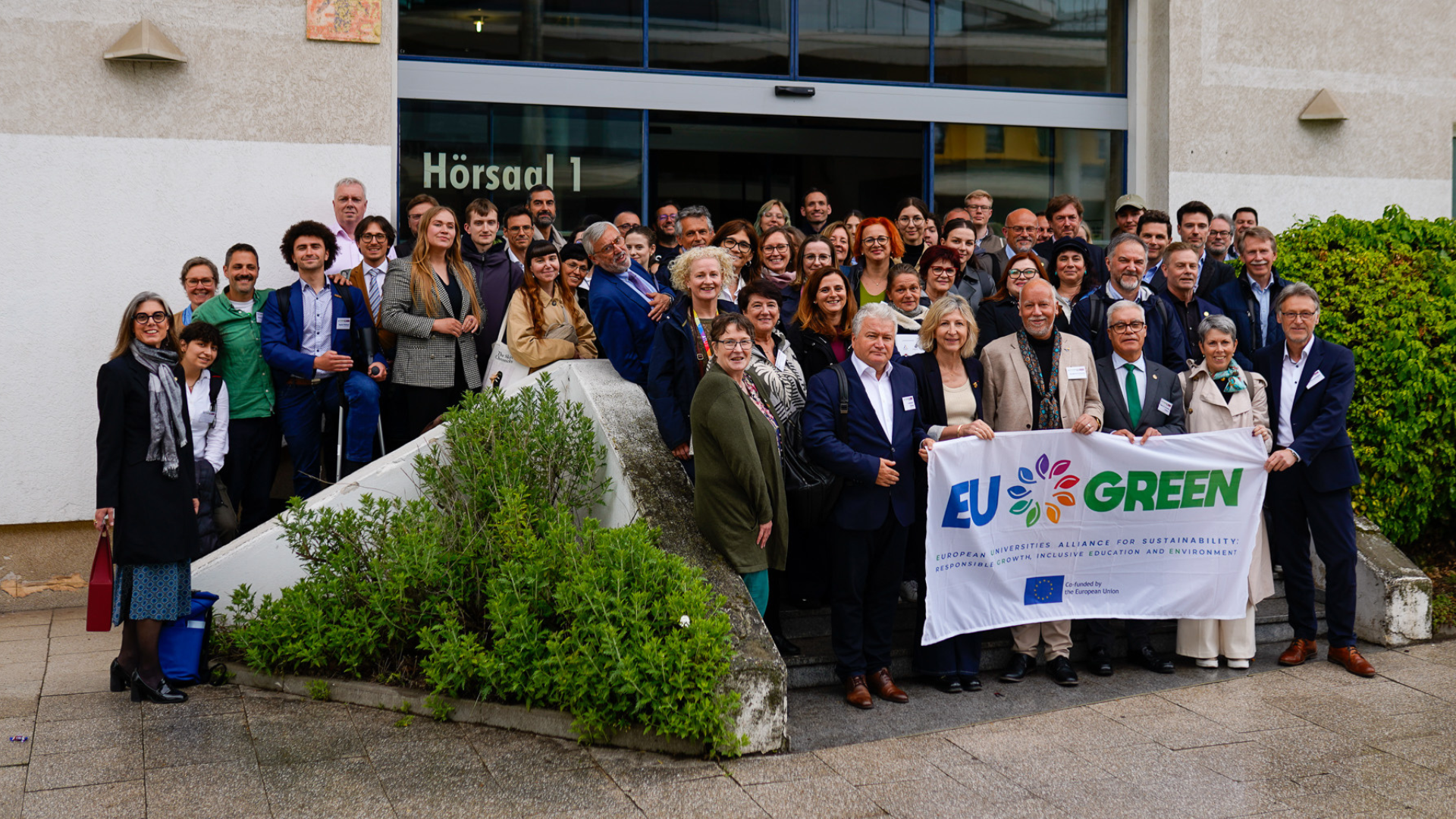

The EU GREEN Alliance took part in EAIE 2026 in Glasgow, one of the major international meeting points for the higher education community, using the conference as an opportunity to strengthen its international positioning, connect with strategic partners and explore new directions for the future of European higher education.
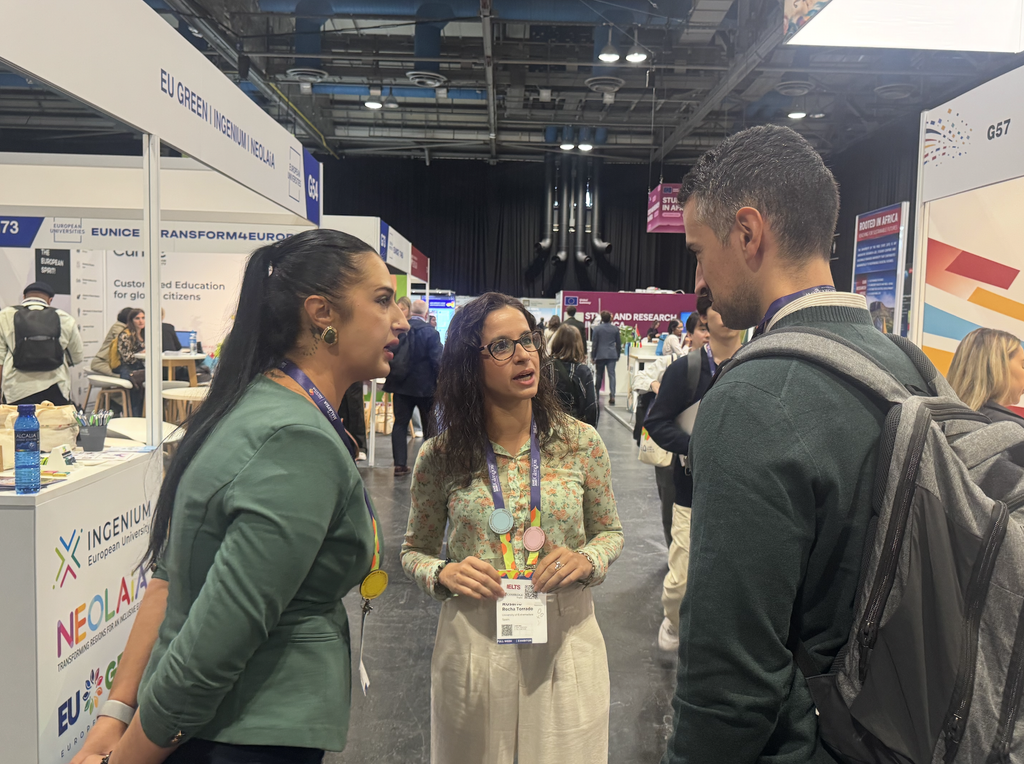
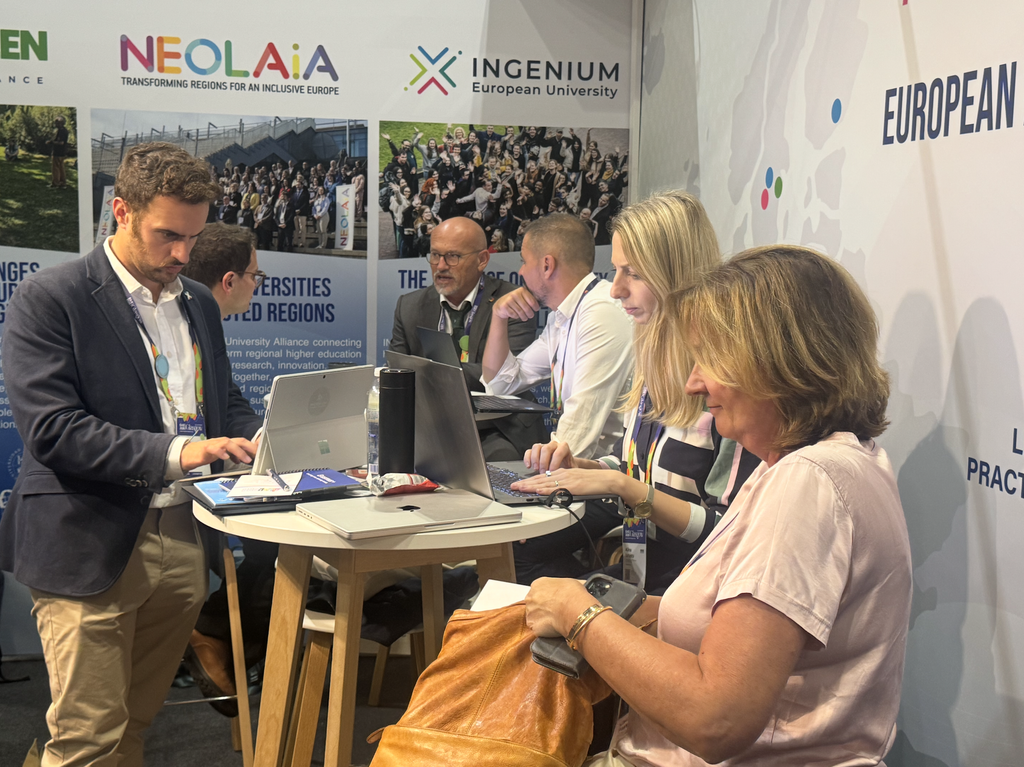
Rather than approaching EAIE solely as a visibility event, EU GREEN oriented its participation towards strategic networking, knowledge exchange and the identification of opportunities that can contribute to the Alliance’s long-term development. Representatives from across EU GREEN attended sessions, held bilateral meetings and engaged with universities, European institutions, international organisations and other European University Alliances throughout the conference.
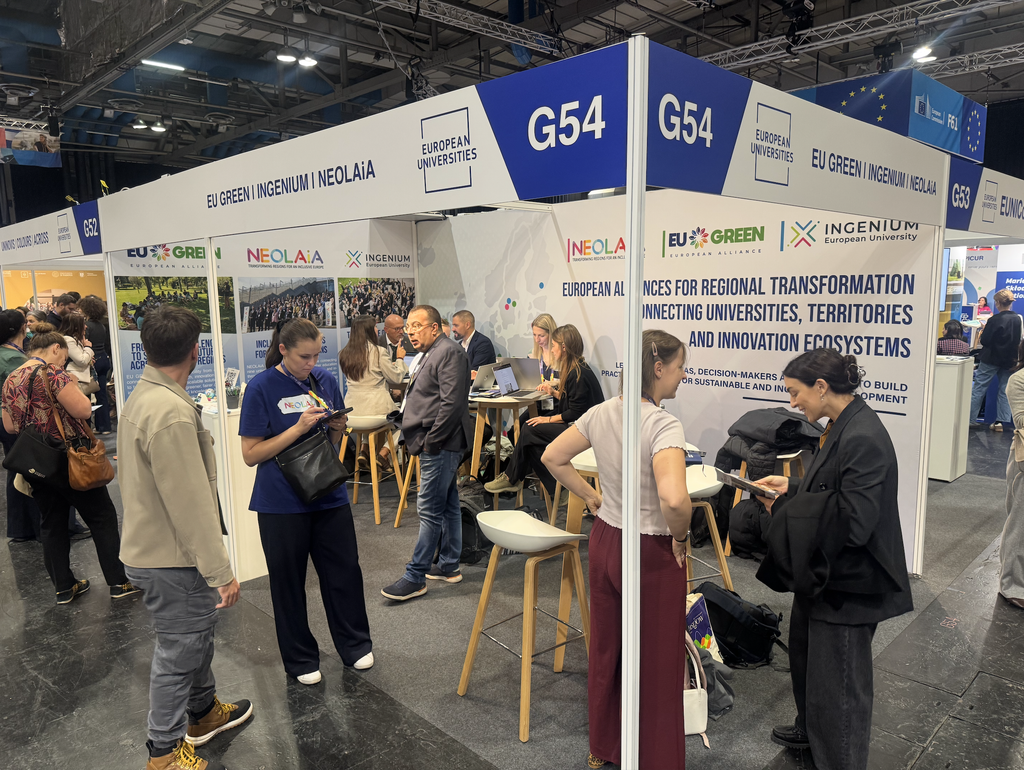
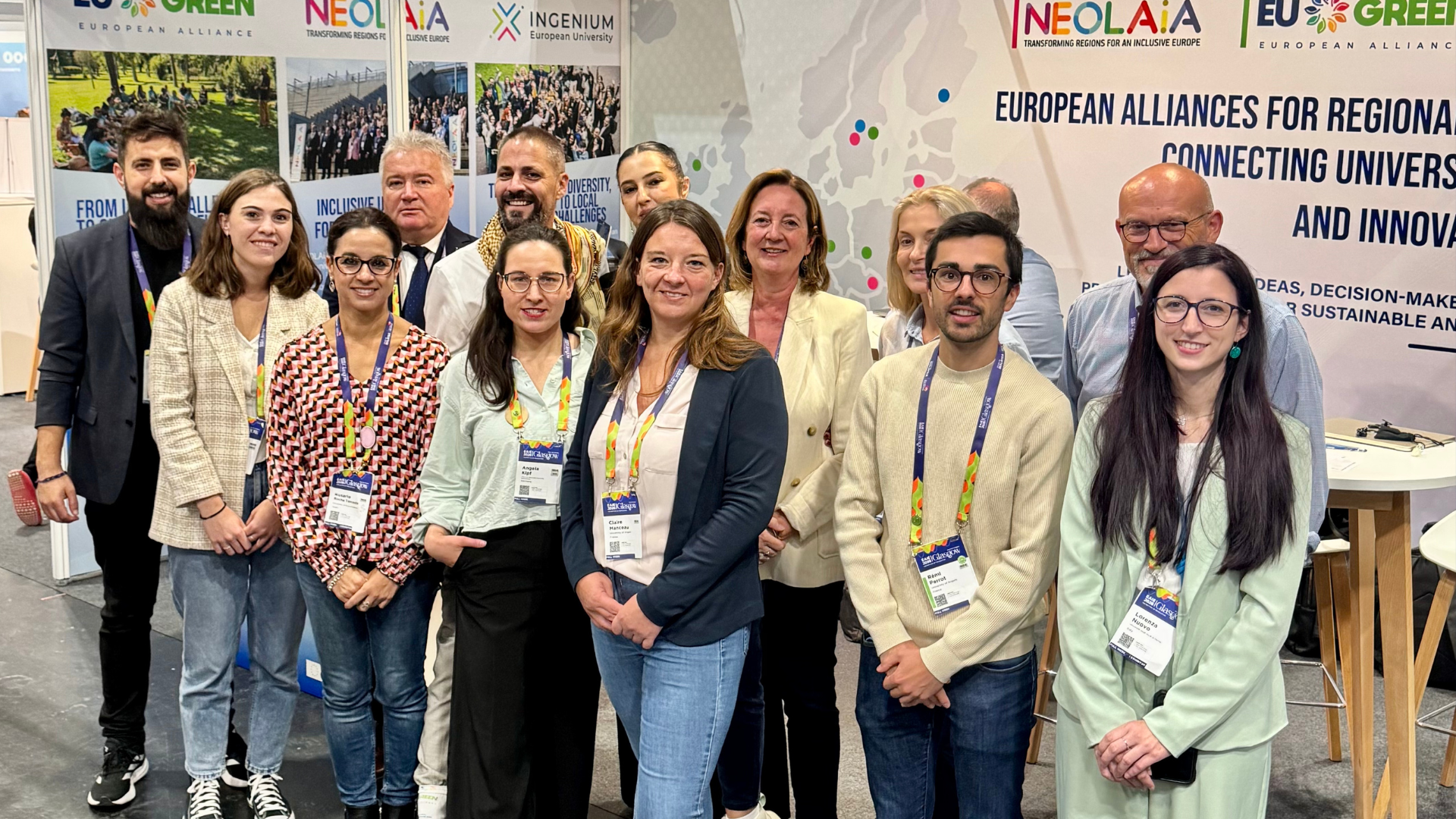
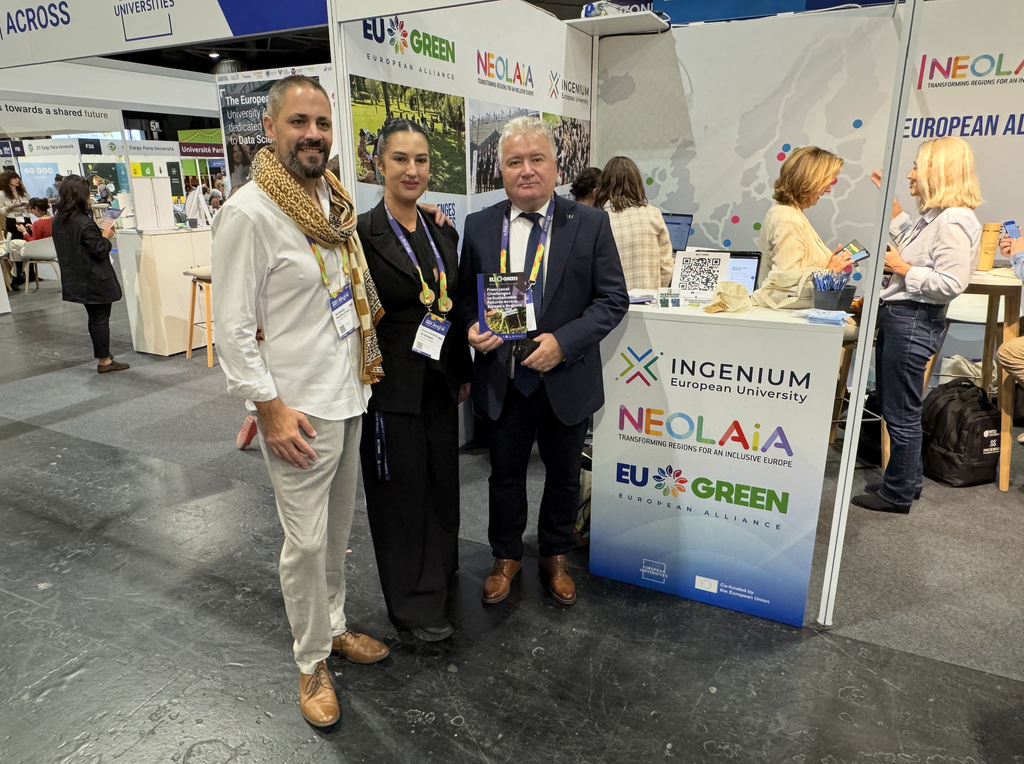
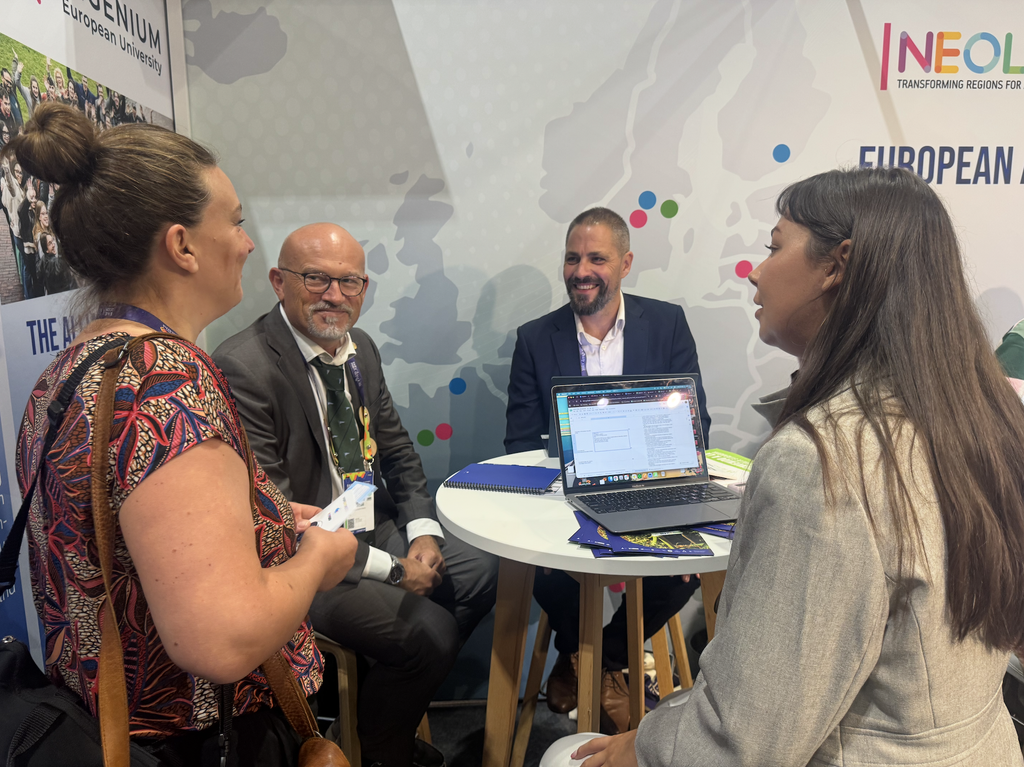
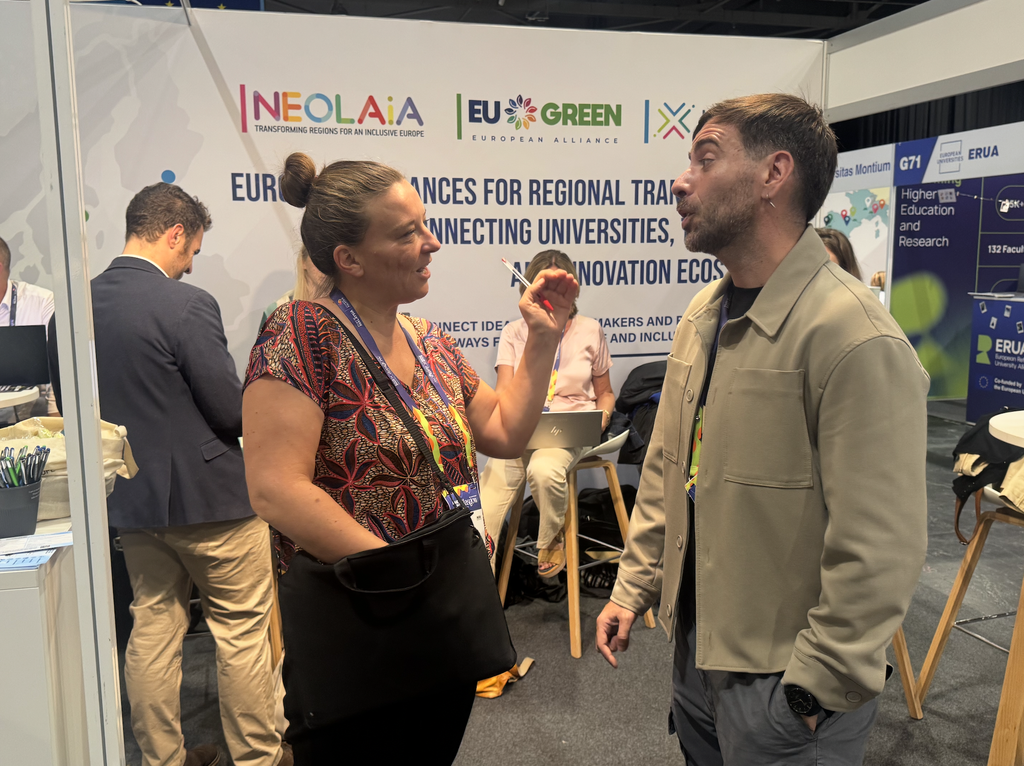
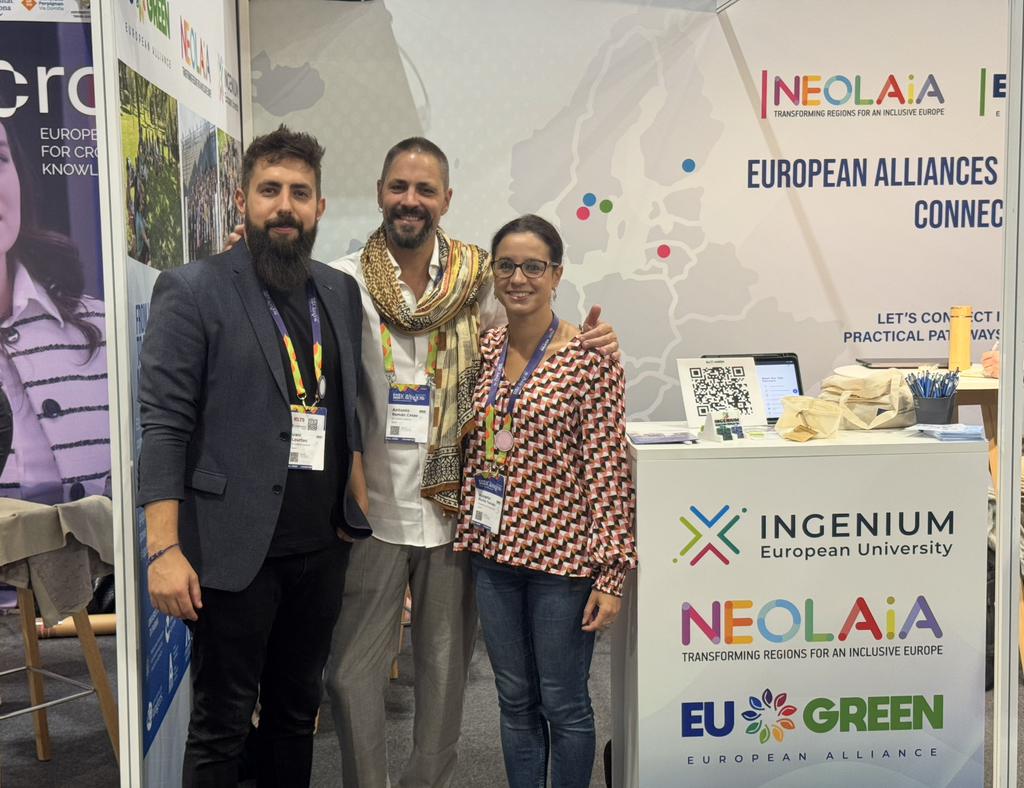
The Alliance was also represented at Booth G54, creating a physical meeting point for participants interested in learning more about EU GREEN, its nine partner universities and its shared commitment to sustainable, inclusive and collaborative higher education. The space also facilitated exchanges with other European University Alliances and contributed to strengthening EU GREEN’s presence within the wider European Universities ecosystem.
Looking ahead to the future of European higher education
One of the main objectives of EU GREEN’s participation was to understand the changes that will shape international higher education over the coming years. Sessions and exchanges with representatives of the European Commission provided valuable insights into the emerging priorities of the future Erasmus+ 2028–2034 programme, the international dimension of European higher education, joint degrees, talent attraction and the evolution of the European Degree.
The conference also provided an opportunity to reflect on a question that is becoming increasingly important for European University Alliances: how to transform project-based cooperation into sustainable, long-term institutional collaboration. Experiences shared by other university networks offered useful perspectives on governance, institutional commitment, funding diversification and mechanisms for maintaining active academic communities beyond individual European funding cycles.
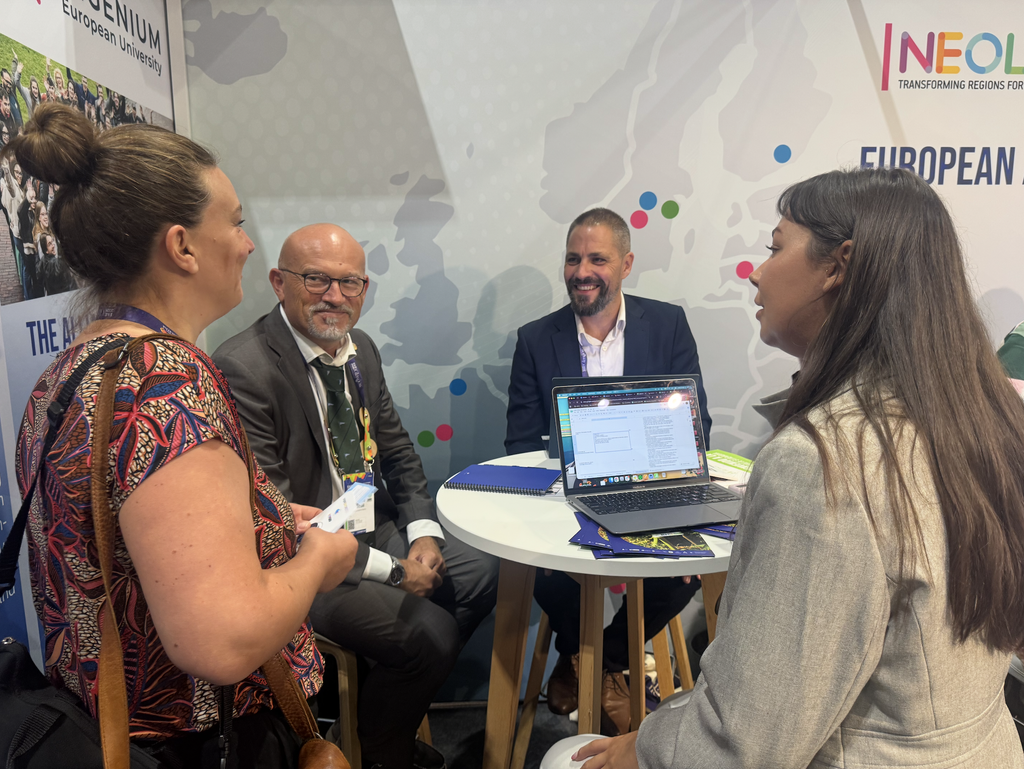
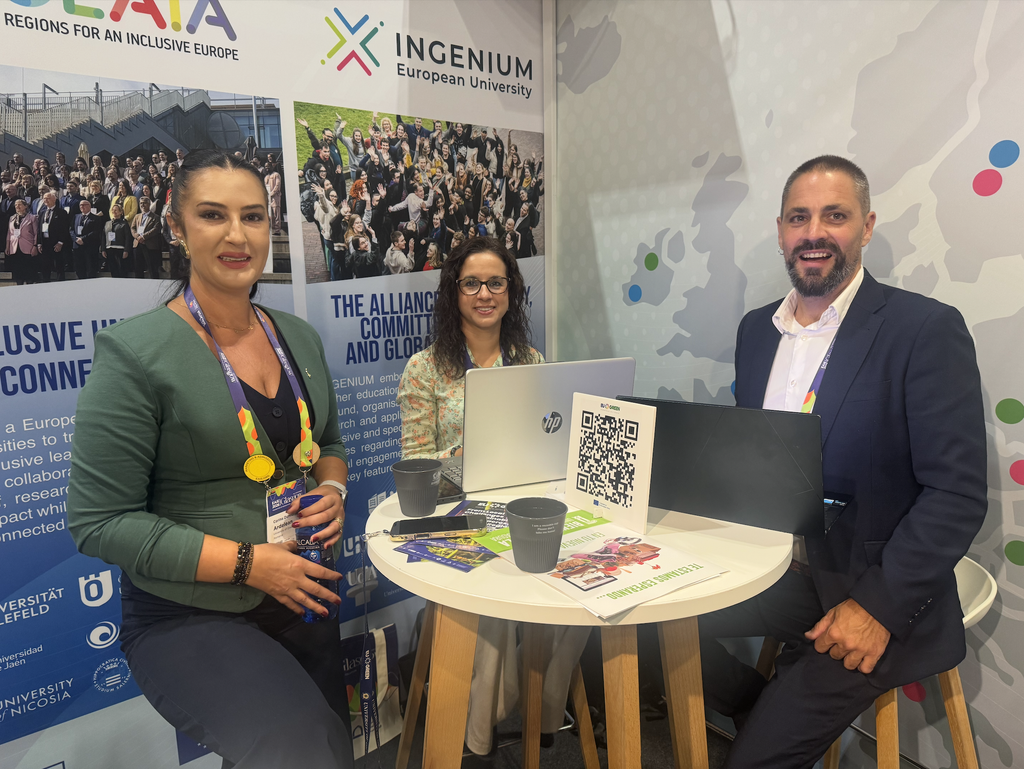
EU GREEN also contributed its own experience to these European discussions. During sessions dedicated to HEInnovate, the Alliance was presented as a case study illustrating how a shared assessment involving nine universities can help identify strengths, challenges and priorities for educational innovation. These exchanges reinforced the value of sharing the experience developed within EU GREEN with the wider European higher education community.
Building partnerships beyond the Alliance
Networking and bilateral cooperation formed another central pillar of the participation in Glasgow. Meetings and informal exchanges opened conversations with the European Commission, higher education organisations, universities and external partners around areas including mobility, student engagement, internships, Living Labs, sustainability, educational innovation and international cooperation.
Particular attention was given to opportunities for internationalisation beyond Europe. Discussions around the Global Gateway, cooperation with African higher education institutions and the international dimension of future Erasmus+ programmes highlighted the potential for EU GREEN to develop a more coordinated global approach, connecting mobility, education, talent attraction and strategic partnerships.
At the same time, EAIE provided another valuable space for cooperation between European University Alliances. Exchanges with colleagues from alliances including EU-CONEXUS, ERUA, NEOLAiA, INGENIUM and RUN-EU demonstrated the growing potential for peer learning and joint initiatives. From sharing experiences on governance and impact assessment to exploring cross-alliance educational and sustainability projects, these conversations reflected an increasingly connected European Universities ecosystem.
From visibility to strategic internationalisation
Beyond individual meetings and sessions, EAIE 2026 offered EU GREEN an opportunity to reflect on how participation in major international events can generate greater value for the Alliance.
The experience in Glasgow reinforced the importance of approaching these events with clear strategic objectives: identifying priority organisations and regions, arranging targeted meetings in advance, following relevant European policy and funding developments, showcasing successful EU GREEN practices and translating the contacts generated during the conference into concrete follow-up opportunities.
This approach reflects the increasing maturity of the Alliance. As EU GREEN enters its next phase, internationalisation is becoming not simply a matter of increasing mobility or international visibility, but a transversal strategy connecting education, research, innovation, talent, regional development and long-term partnerships.
EAIE 2026 therefore represented much more than an opportunity to showcase EU GREEN. It provided a space to listen, learn, compare approaches and establish connections that can contribute to the Alliance’s future development. The experience in Glasgow confirmed that major international higher education events can play an important role in EU GREEN’s strategy when participation is focused on building meaningful partnerships, anticipating changes in European higher education and transforming international connections into lasting opportunities for the Alliance and its university communities.