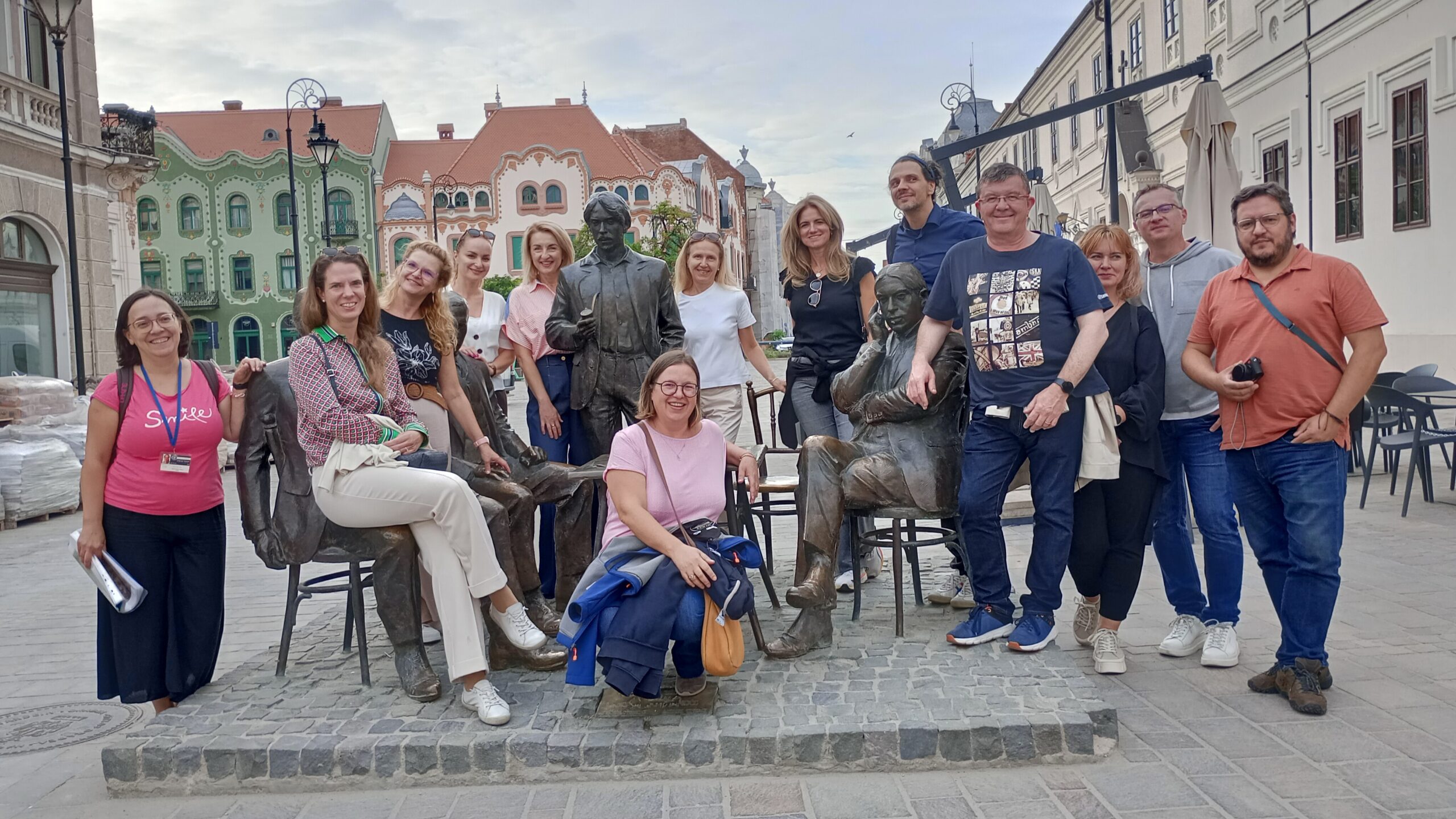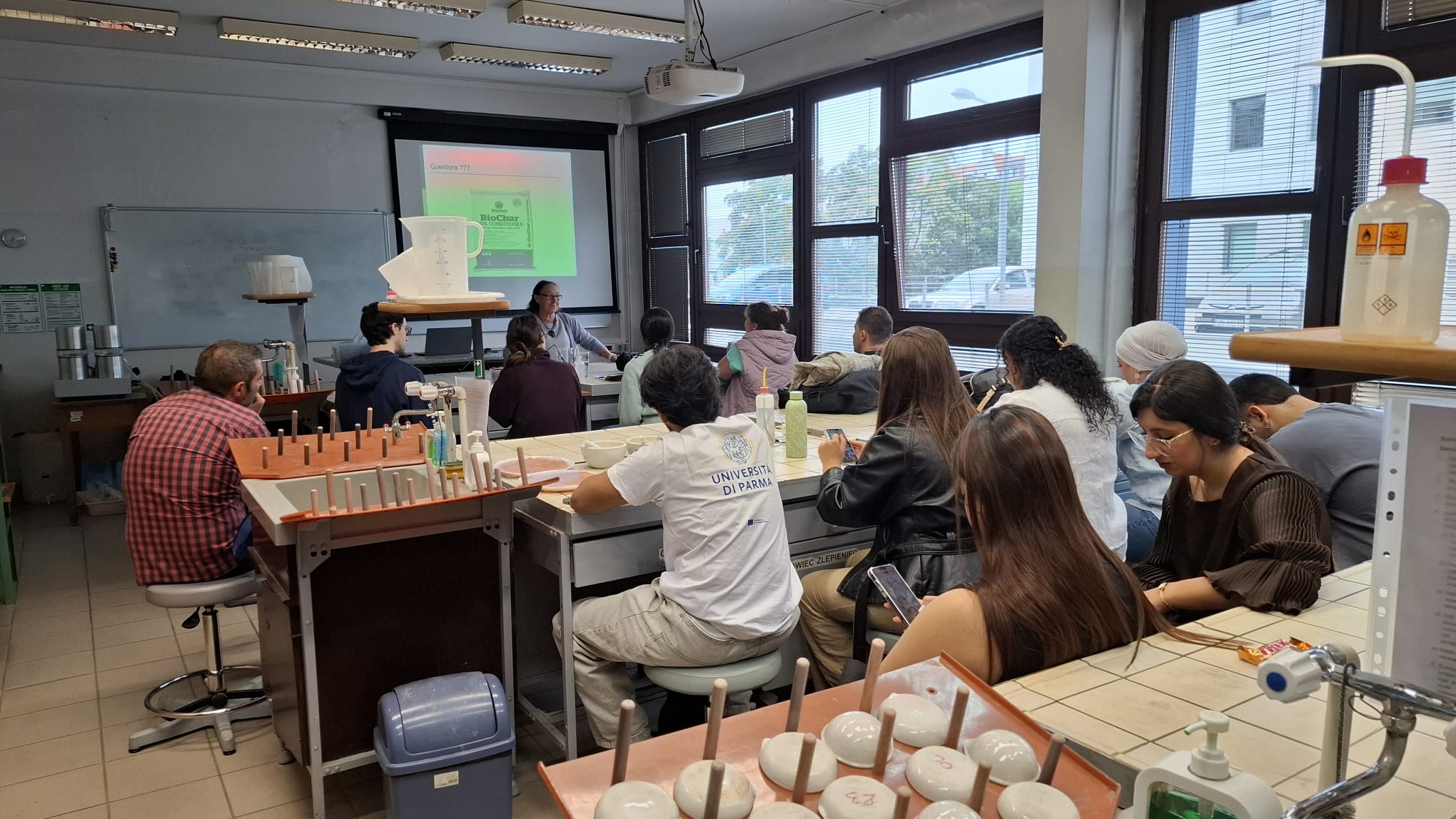

In September 2026, the University of Oradea hosted an in-person meeting of the CRESD project, Collaborative Research in Education for Sustainable Development, within the EU GREEN European University Alliance. The event brought together researchers and academics from six partner universities to review the project’s research findings and identify future directions for collaboration on education for sustainable development.
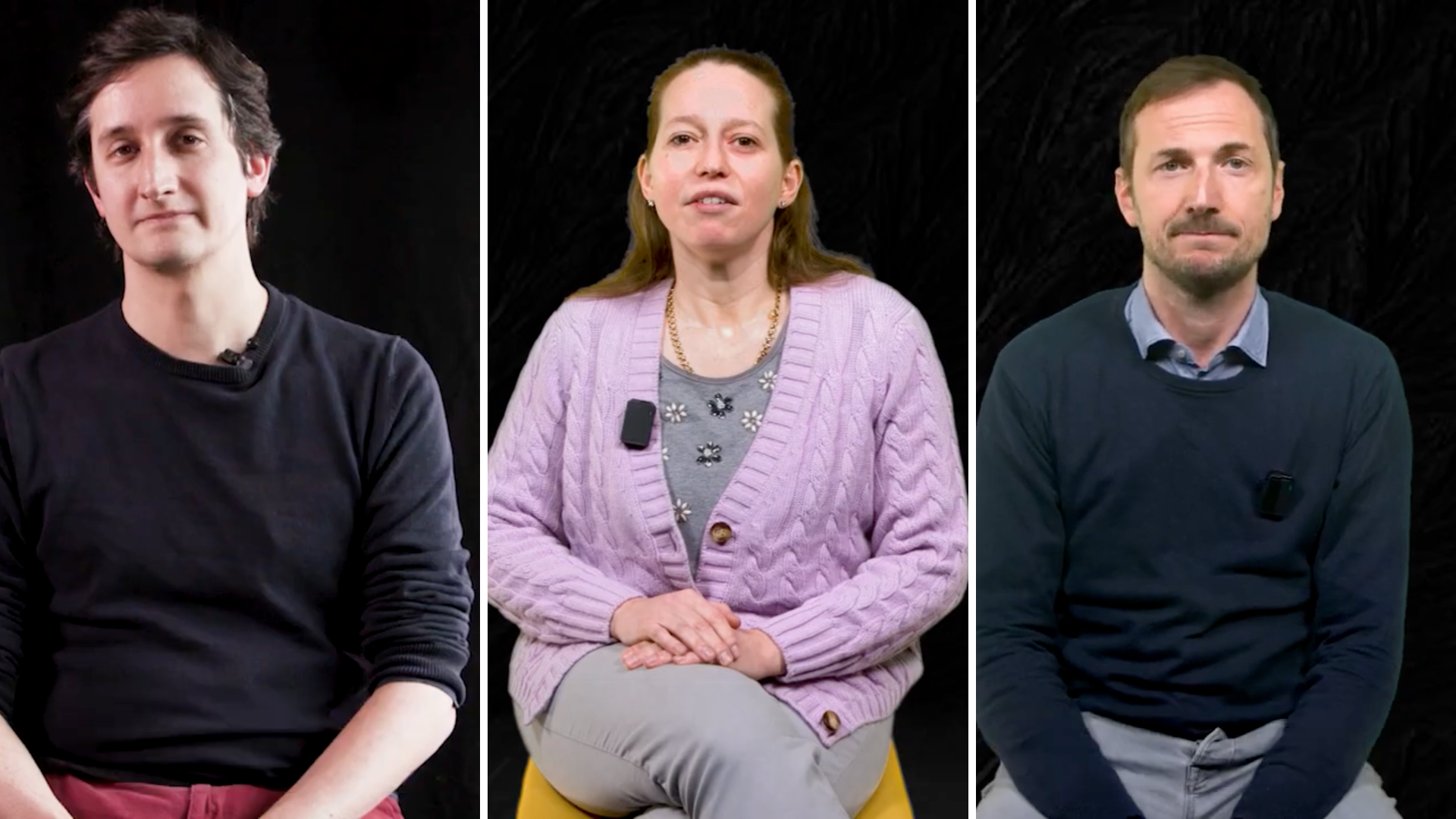
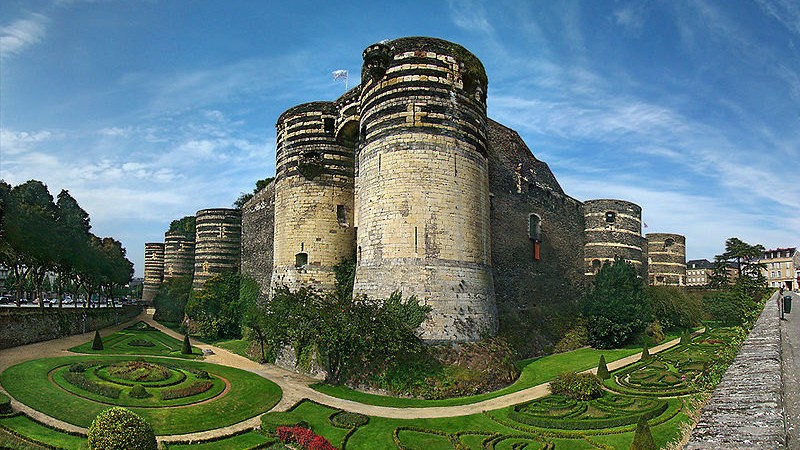
Participants represented the University of Oradea (UO), Atlantic Technological University (ATU), the University of Extremadura (UEx), Otto von Guericke University Magdeburg (OVGU), the University of Angers (UA) and the University of Évora (UE). The international team included John Scahill, Gabriela Gliga, Patricia Milanes, Karina Becker, Daniel Pust, Svitlana Plotnytska and Hugo Rebelo, alongside University of Oradea team members Tomina Săveanu, Marius Drugaș, Sorana Săveanu, Raluca Buhaș, Mirabela Matei and Maria-Madela Abrudan.
Over three days, participants took part in project meetings, sessions to present and disseminate research findings, a study visit, and discussions on future collaboration and the use of CRESD results.
CRESD: Collaborative Research on Education for Sustainable Development
CRESD aims to strengthen an international research network focused on education for sustainable development in higher education and build research capacity across partner universities. Its objectives include conducting joint research on students’ sustainability knowledge, values, attitudes and behaviors; developing standardized methods and tools for data collection and analysis; advancing and sharing knowledge in this field; and laying the groundwork for future joint research projects.
The CRESD study collected 4,067 valid responses from students across the nine EU GREEN universities participating in the research. The survey examined students’ level of awareness and sources of information about sustainable development, alongside their knowledge, values, attitudes and behaviors.
The overall findings indicate strong support for sustainability principles, but also a gap between students’ reported knowledge and values and their actual engagement. Knowledge is stronger in relation to the environmental dimension of sustainability, while understanding of its social, economic and global dimensions is less consistent. Sustainable behaviours are also more common in students’ personal lives than in collective, civic or institutional activities.
The data shows that 53% of respondents had taken at least one course addressing sustainable development, while 40.6% had participated in activities promoting sustainable development during the previous two years. In addition, 42% reported that their institution offered courses focused on sustainable development, while 45% did not know whether such courses were available at their university.
These findings raise several questions for universities: how to create more opportunities for students to put their knowledge into practice, how to encourage participation, and what changes are needed in curricula, institutional culture and opportunities for student engagement. These questions also informed discussions at the Oradea meeting.
Key conclusions and next steps
The partners expressed their intention to continue working together beyond the completion of CRESD, scheduled for December 2026. Agreed priorities include developing new research projects on education for sustainable development, including qualitative studies to explore the CRESD quantitative findings in greater depth.
Another priority is to explore further opportunities for European funding and cooperation, including Erasmus+ initiatives and research projects that build on the data, tools and expertise developed through CRESD. The partners also identified the publication of research findings and the preparation of joint academic papers as priorities.
By presenting and sharing these findings with academic communities and other stakeholders, the project aims to ensure that its data and tools can be understood and used beyond the research team.
Participants also highlighted the need for closer dialogue between researchers, academics and university decisionmakers, so that the findings can inform educational programmes, student engagement opportunities and institutional sustainability policies.
The CRESD project, Collaborative Research in Education for Sustainable Development, is funded through EU GREEN’s initiatives to support collaborative research under Work Package 3.
Contact:
Dr Tomina-Gabriela Săveanu
University of Oradea
CRESD/EU GREEN Project Coordinator