
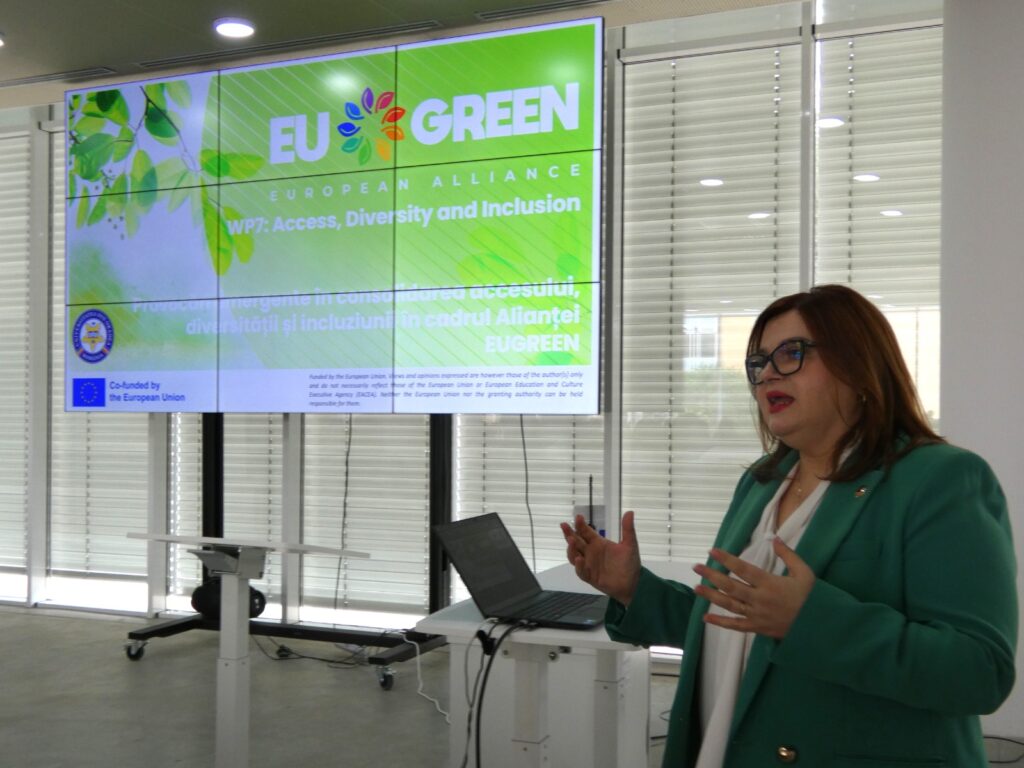
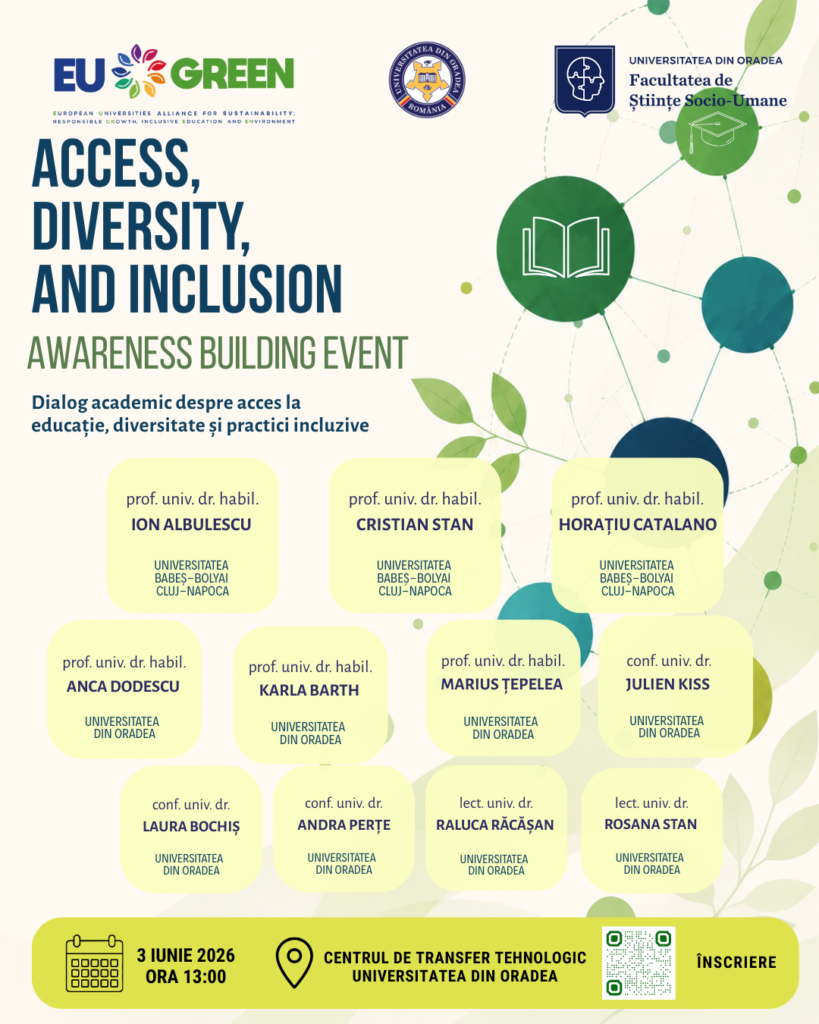
During the month of June, the University of Oradea hosted the “Access, Diversity and Inclusion: Awareness Building Event”, bringing together academics, educational professionals, public authorities and community stakeholders to discuss how higher education can become more accessible, inclusive and responsive to the needs of diverse learners.
Organised in partnership with the Faculty of Social and Human Sciences, the event provided a platform for dialogue on access to education, diversity, lifelong learning, equal opportunities and the role of educational, cultural and sports activities in building inclusive university communities.
The programme featured contributions from academics of the University of Oradea and Babeș-Bolyai University of Cluj-Napoca, one of Romania’s leading institutions in the field of educational sciences.
Among the invited speakers were Professor Ion Albulescu, a specialist in educational theory, teacher education and lifelong learning, Professor Cristian Stan, whose expertise includes educational assessment, intercultural education and school climate, and Professor Horațiu Catalano, known for his work in teacher professional development, inclusive education and innovative pedagogical approaches.
The event also brought together representatives of key regional stakeholders whose work contributes directly to creating more inclusive educational and social environments. Participants included Sebastian Lascu, City Manager of the Municipality of Oradea, Consuela Govor from the Oradea Social Assistance Directorate (DASO), representatives of the Bihor County School Inspectorate, including Alin Ștefănuț and Elna Erdeli, as well as directors of centres for inclusive education, schools and kindergartens from the region.
Their participation enriched the discussions with perspectives from local administration, social services and pre-university education, highlighting the importance of cooperation between institutions in addressing barriers to participation and supporting learners throughout their educational journey.
A central theme of the event was the role of universities in creating learning environments where all students can thrive, regardless of their background or circumstances. Discussions explored how higher education institutions can respond to the needs of underrepresented groups, strengthen lifelong learning opportunities and improve the accessibility of educational resources in both physical and digital settings.
Professor Karla Barth and Professor Anca Dodescu highlighted the opportunities and challenges involved in strengthening access, diversity and inclusion across the EU GREEN Alliance. Their presentation emphasised the value of collaboration among universities, the exchange of good practices and the development of shared approaches that help institutions better support increasingly diverse learner communities.
Other presentations addressed the contribution of cultural and sports activities to fostering inclusion and belonging, the evolution of lifelong learning initiatives within EU GREEN, empirical evidence regarding access and diversity at the University of Oradea, and approaches to improving the accessibility of digital educational content for learners facing educational or social disadvantages.
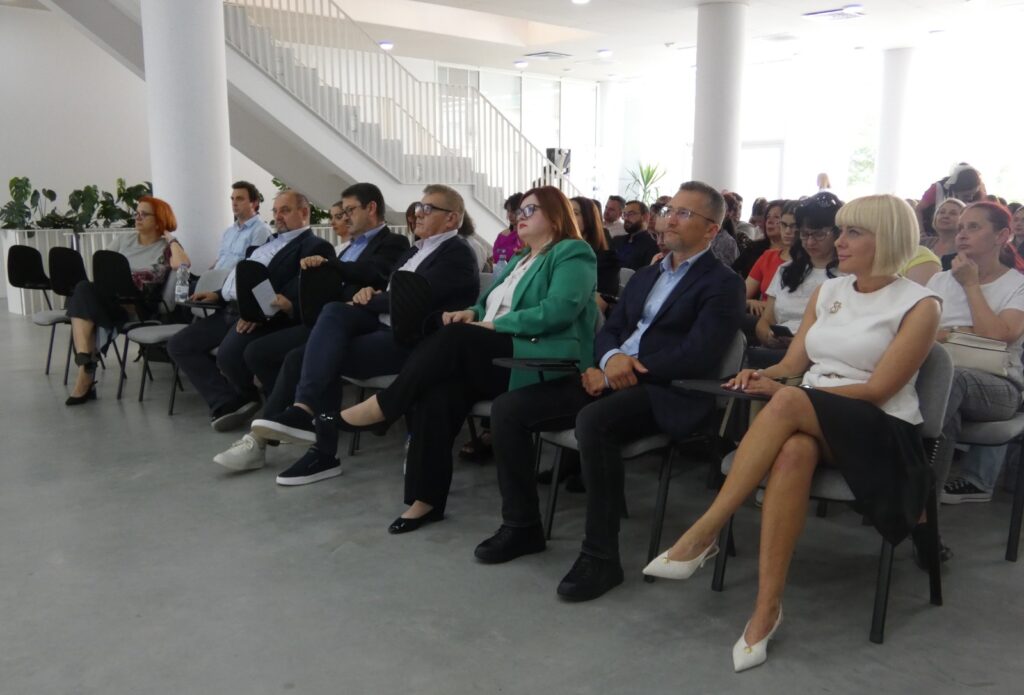
Throughout the event, participants reflected on the idea that inclusion is not the responsibility of a single institution or sector. Creating equitable educational opportunities requires cooperation between universities, schools, public authorities, social services and civil society organisations. Such partnerships are essential for building pathways that enable more people to access, participate in and benefit from education.
The conference also demonstrated how EU GREEN serves as a space for exchanging knowledge, experiences and solutions that address common societal challenges. By connecting academic expertise with the experience of local stakeholders, the Alliance contributes to the development of more inclusive and sustainable educational ecosystems across Europe.
Through initiatives such as this awareness-building event, EU GREEN continues to strengthen cooperation, promote mutual learning and encourage collaborative action, reaffirming its long-term commitment to making higher education more accessible, inclusive and responsive to the needs of present and future generations.