
Rather than relying on long and complex supply chains, Community Supported Agriculture (CSA) brings producers and consumers closer together. Participants receive regular boxes of seasonal fruit and vegetables grown locally, while also sharing an understanding that food production depends on natural cycles and weather conditions. This approach encourages a stronger relationship with food, the environment, and the people who produce it.
Learning through seasonality
One of the key values of the CSA programme at UPWr is the promotion of seasonal eating. Participants discover that food does not need to be available all year round to be diverse and enjoyable. Spring brings early vegetables, summer offers tomatoes and berries, and autumn provides pumpkins and root crops. By adapting meals to the rhythm of the seasons, many participants report changing their eating habits and incorporating more fresh, locally produced food into their diets.
This educational dimension is particularly important in a university setting. CSA becomes a practical lesson in sustainable consumption, helping people understand how food systems are linked to climate, biodiversity, and resource use.
Sustainability in practice
The programme is closely aligned with the values promoted by the EU GREEN alliance. It supports several Sustainable Development Goals, including responsible consumption and production, climate action, and the strengthening of local communities.
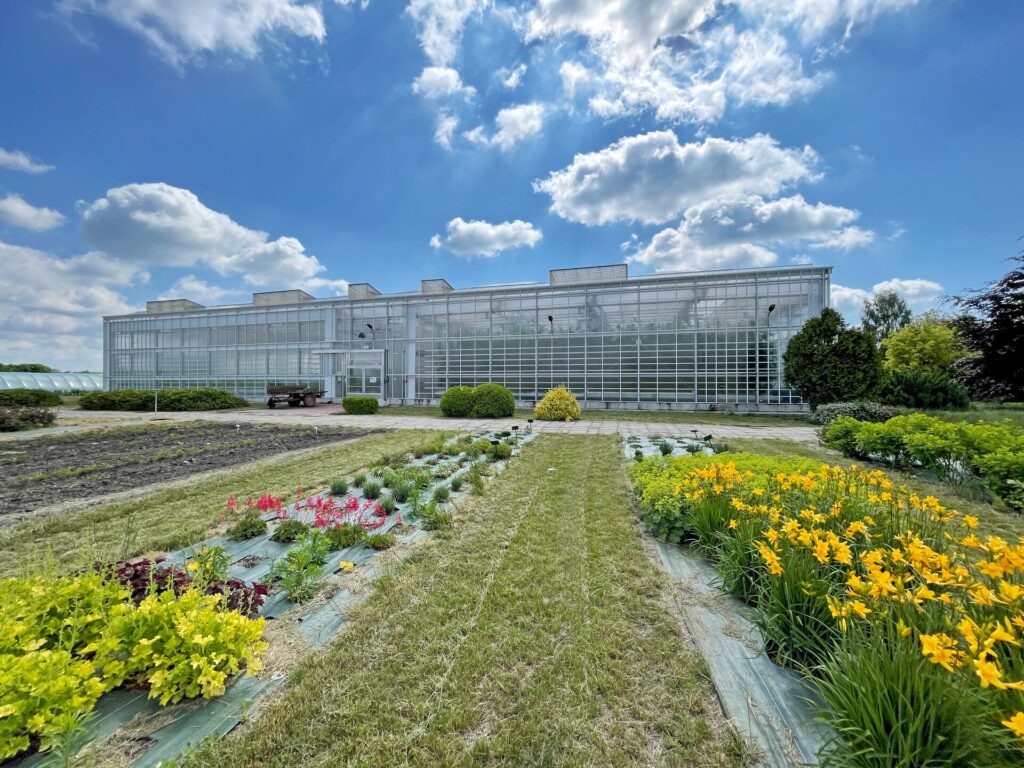
At UPWr, fruit and vegetables are grown at the university’s research and teaching stations in Psary and Samotwór. The initiative makes effective use of agricultural production while reducing food waste and shortening the distance between producer and consumer. Wherever possible, cultivation methods prioritise environmental responsibility, including reduced use of chemicals and careful management of resources.
More than a food box
What began as a pilot project has grown into a vibrant community initiative. Participants regularly exchange recipes, share experiences, and support one another in making the most of seasonal produce. The programme demonstrates that food can be a powerful tool for building social connections and fostering a sense of belonging.
CSA at UPWr also shows how universities can play an active role in shaping more sustainable food systems. By combining academic knowledge, practical horticulture, and community participation, the initiative offers a model that can inspire other institutions across the EU GREEN alliance.
A university example for Europe
In an era of global supply chains and year-round availability of almost any product, CSA represents a meaningful alternative. It encourages people to reconnect with local agriculture, appreciate seasonality, and understand the environmental impact of their food choices.
The experience of Wrocław University of Environmental and Life Sciences illustrates that sustainable food systems are not only a topic for research and policy discussions. They can be created and experienced every day – through cooperation, shared responsibility, and a simple weekly box of fresh, seasonal produce.
Interested in knowing more about the project? Contact Dr Marta Czaplicka (marta.czaplicka@upwr.edu.pl) for more information.