
It was a perfect match. When Professor Damien Luque Paz (University of Angers, France) reached out to Professor Thomas Fischer (Otto-von-Guericke University Magdeburg, Germany) to write a joint PhD project proposal, both colleagues were already working on the same disease, a very rare cancer with only several thousand diagnoses per year in France.
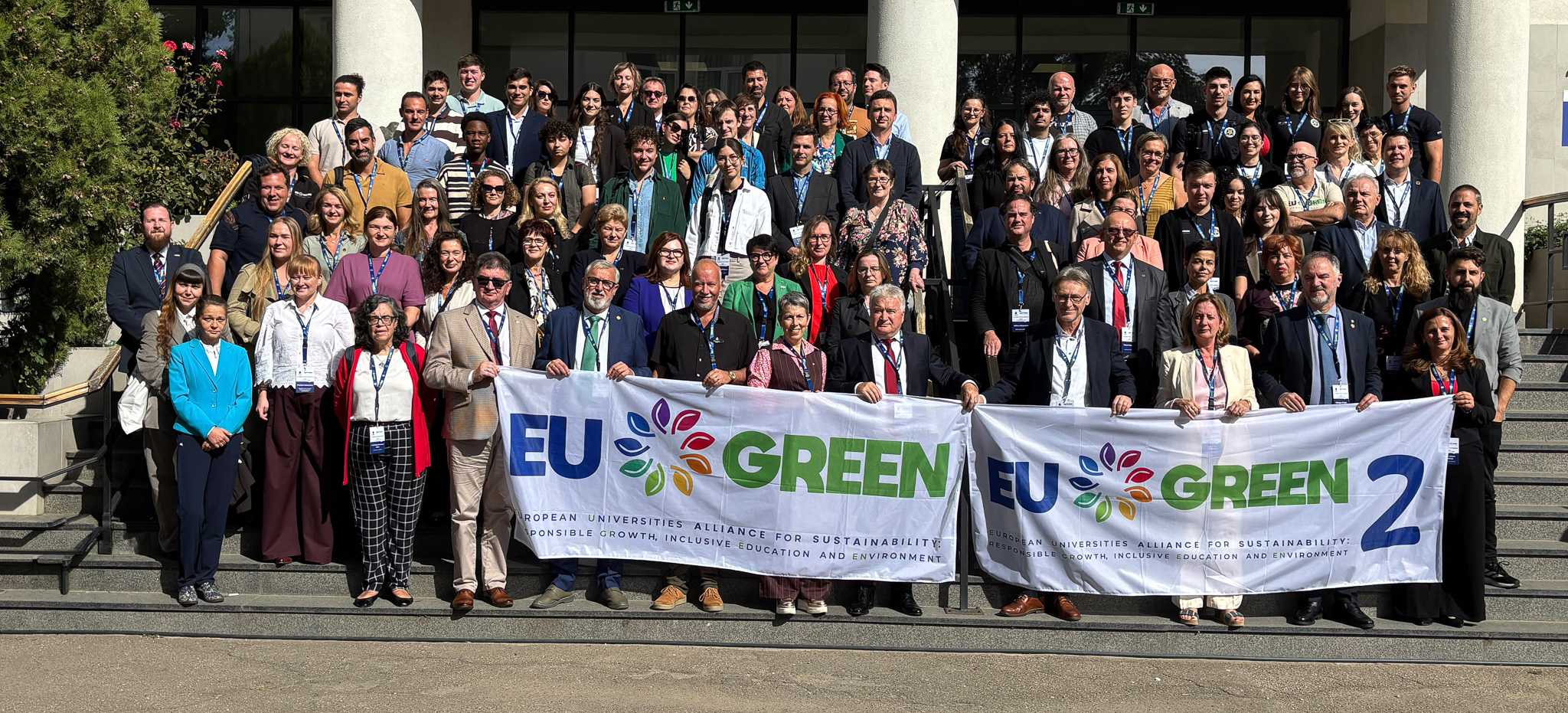
EU GREEN co-funded PhD theses bring together two supervisors from two different member universities, allowing doctoral candidates to conduct their research across both institutions and benefit from complementary scientific expertise.
“I was very lucky,” said Prof. Luque Paz. “I was on my computer, checking the universities in the alliance one by one and looking for potential collaborations. I searched for teams working on hematologic cancers. I knew Prof. Fischer—not personally, but through his publications and those of his unit. I didn’t realize he was at Magdeburg or that Magdeburg was part of the alliance. So, I sent him an email: ‘Hello, we’re in the same alliance. Would you like to write a thesis project proposal with me?’ And he said yes!”
The possibility of a new collaboration came as a happy surprise in Prof. Fischer’s inbox, and negotiations soon began between Angers and Magdeburg.
The project, funded equally by both institutions, addresses myeloproliferative neoplasms (MPN), a hematologic cancer characterized by an excess of blood cells and bone marrow disorders. Thomas Lemeunier-Lelievre, the PhD candidate who successfully responded to the call, explained: “Monocytes are immune cells that play a key role in inflammation. They are the first actors of innate immunity—the first to defend the body against bacterial infections.”
A central focus of the thesis is to investigate the role of monocytes in driving inflammation and promoting fibrosis development within the bone marrow. Prof. Fischer added: “In this type of blood cancer, inflammation can cause fevers, a high risk of blood clots in the lungs, legs, veins, and sometimes even cardiac infarction or brain haemorrhage. By better understanding the basis of this inflammation, we can help relieve patients of these symptoms.”
The team knows they are tackling an ambitious challenge, but they remain hopeful. “In cancer research, many things take ten years,” said Prof. Fischer. “But sometimes, you find a solution in just two years. You never know.”
The two labs bring complementary strengths to the project. “While our unit have access to patient samples and cell line models, we don’t currently work with mice due to limited personnel. Prof. Fischer, however, has access to mouse models, so our approaches are highly complementary,” explained Prof. Luque Paz.
For Thomas Lemeunier-Lelievre, the benefits of this collaboration outweigh the difficulties. “The main challenges are logistical. We’re still figuring out how to transfer these mice to Magdeburg if we want to work on them. Splitting a three-year program between two countries is also a challenge. But working abroad means being open to another vision of science.”
On a larger scale, Prof. Fischer highlighted the broader impact of this project: “This collaboration brings countries and people together. It’s not just about scientific sustainability, but also about building relationships, friendships, and mutual understanding. Our labs working together creates synergies and makes us more competitive in the field. It shapes our scientific profile. It’s what Europe is all about.”
Thesis title: Role of monocytes and macrophages in myeloproliferative neoplasms
Candidate: Thomas Lemeunier-Lelievre
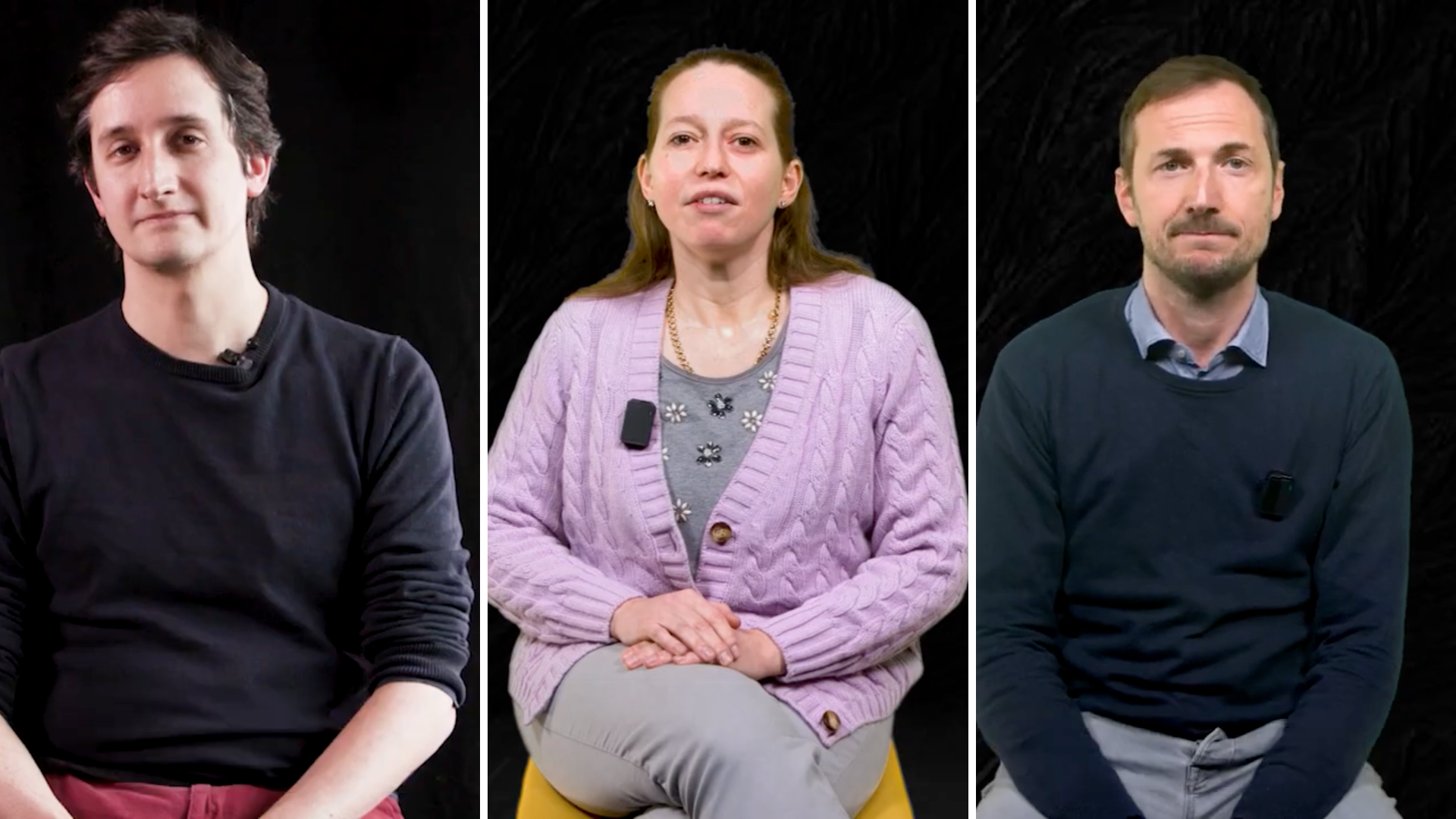
Supervision: Prof. Thomas Fischer (Otto-von-Guericke University Magdeburg, Germany) and Prof. Damien Luque Paz (University of Angers, France)