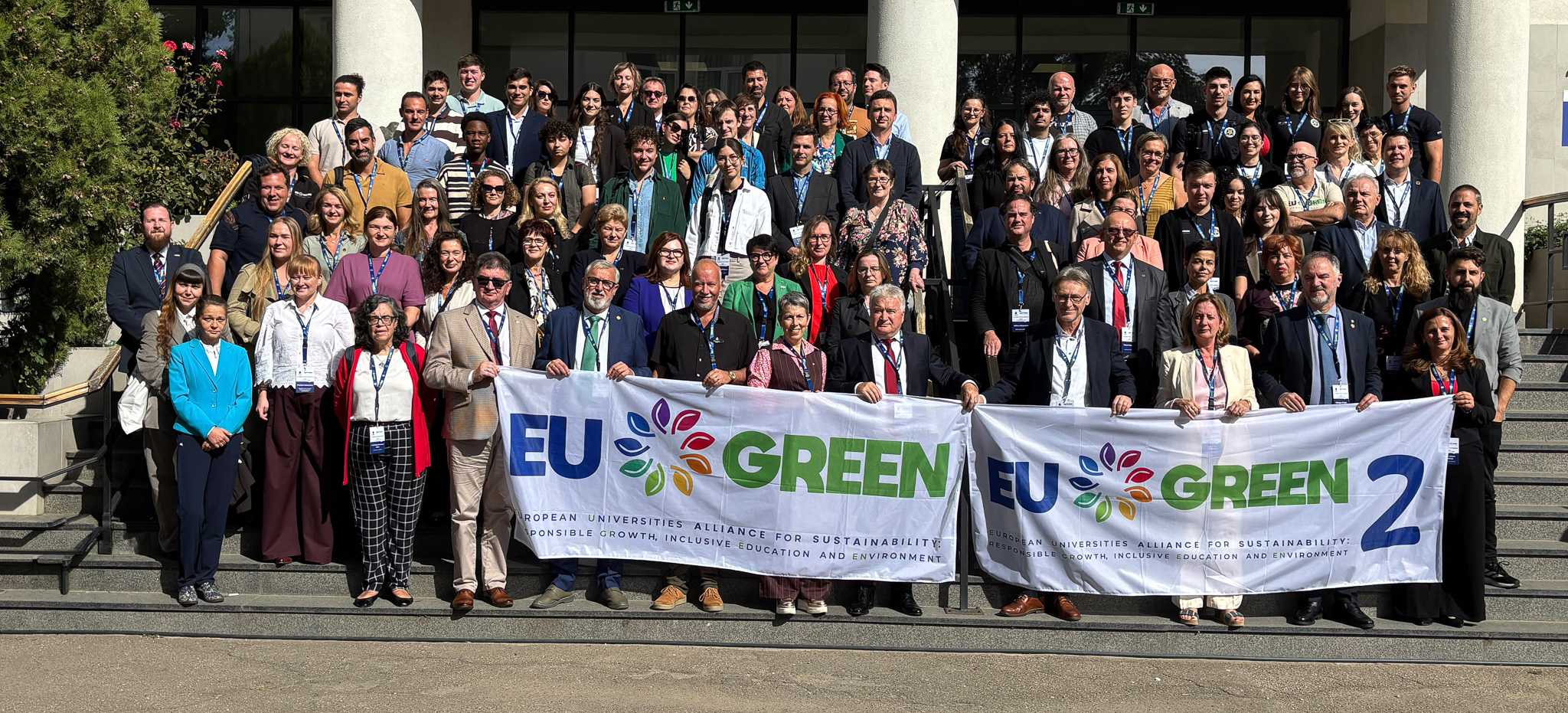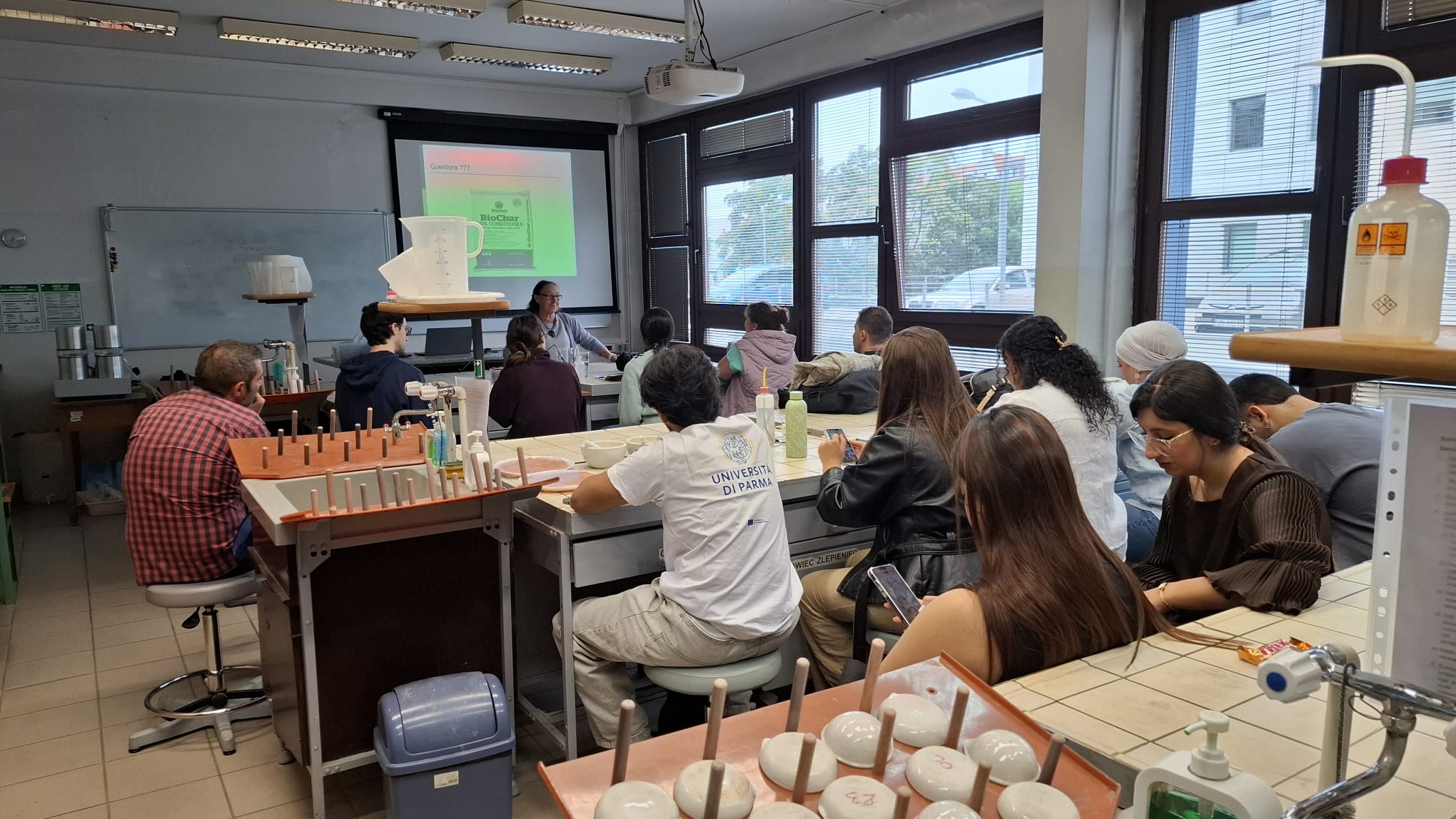

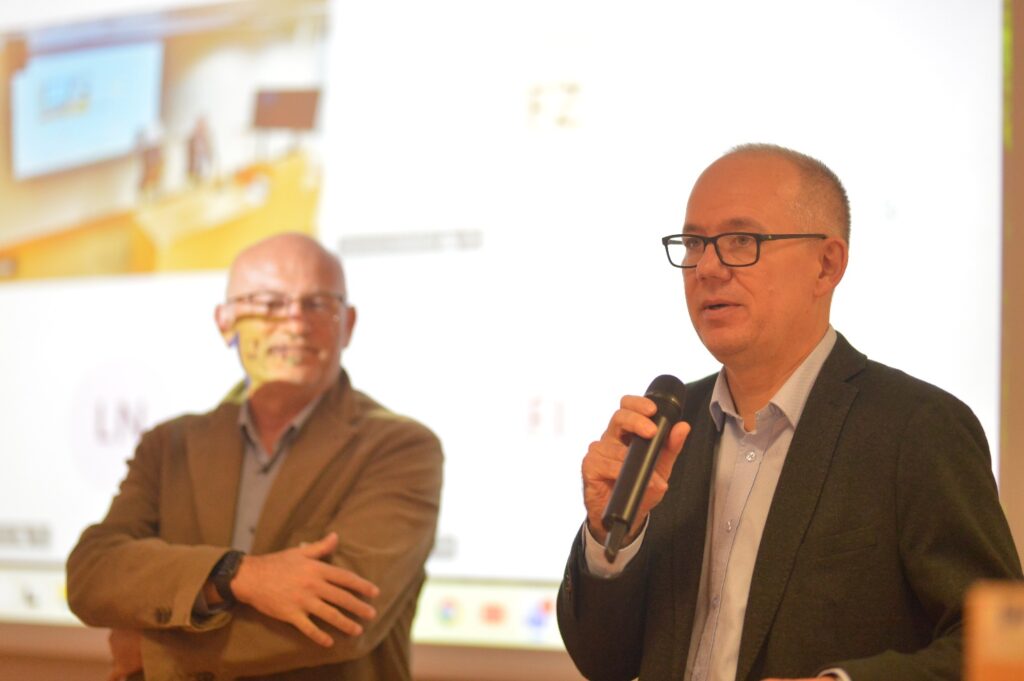
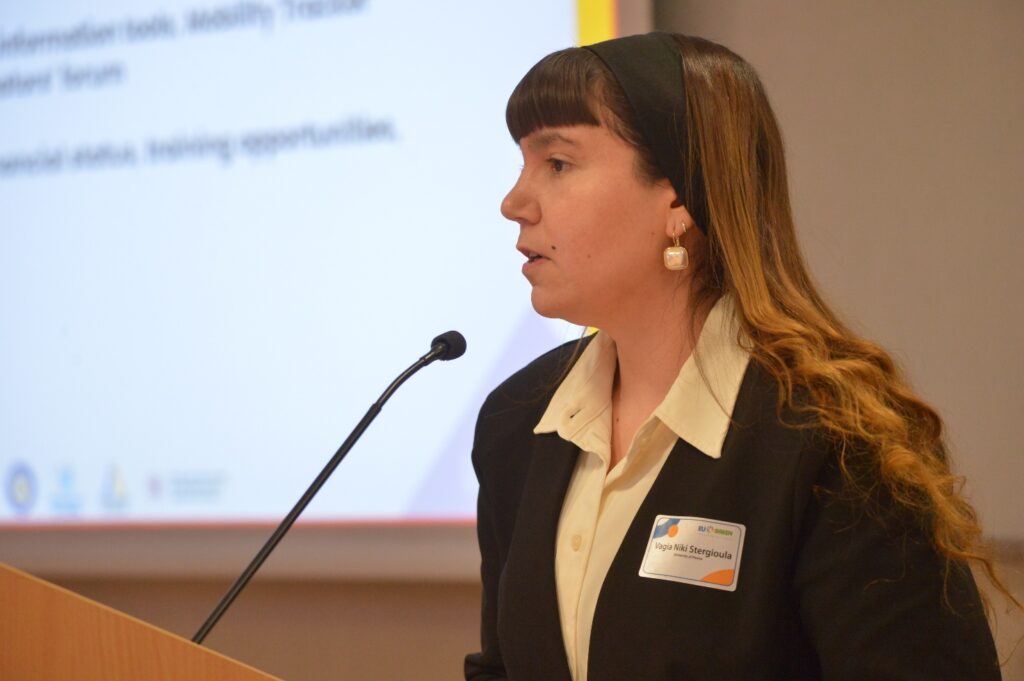
Hosted by the Wrocław University of Environmental and Life Sciences, the meeting opened with a warm welcome from Prof. Szymon Szewrański, Vice‑Rector for External Affairs. The programme was coordinated by the University of Parma, with the co‑coordination of the Wrocław University of Environmental and Life Sciences. Coordinators from the University of Parma, including Alessandro Bernazzoli and Vagia Niki (Vanita) Stergioula, together with Anna Posadowska‑Malarz from the Wrocław University of Environmental and Life Sciences, guided the agenda and chaired several key sessions throughout the meeting.
Strengthening mobility frameworks and practices
Core sessions focused on the EU GREEN Mobility Protocol, including its review and on the further refinement of the Multilateral Inter‑Institutional Agreement. Participants discussed practical solutions to increase mobility uptake, enhance recognition mechanisms, and expand opportunities for virtual and blended mobility for both students and staff.
Additional discussions addressed job‑shadowing and staff training initiatives, the development of a joint information package for intra‑alliance mobility, and the relaunch of the Erasmus coordinators’ forum, aimed at reinforcing operational coordination across partner institutions.
Digital tools, training, and outreach
Digitalisation featured prominently, with updates on the Mobility Tracker and the concept of a Virtual International Office, designed to support more efficient mobility management across the alliance. Further sessions examined the financial status of WP6 activities, available training opportunities, and tailored courses to support professional development.
On the second day, attention shifted to Blended Intensive Programmes (BIPs), covering promotion procedures for staff and students, slot allocation, and updates from the BIP Joint Commission. Participants also explored dissemination and communication actions to foster mobility and reviewed preparations for NAFSA 2026 and EAIE 2026.
International collaboration and next steps
The programme concluded with discussions on international collaboration protocols, the implementation of the MOOC “The Value(s) of the European Union”, and the recognition of micro‑credentials across partner institutions. A joint SWOT analysis and action plan helped define priorities for the coming months, alongside forward‑looking reflections on the structure of EU GREEN 2.
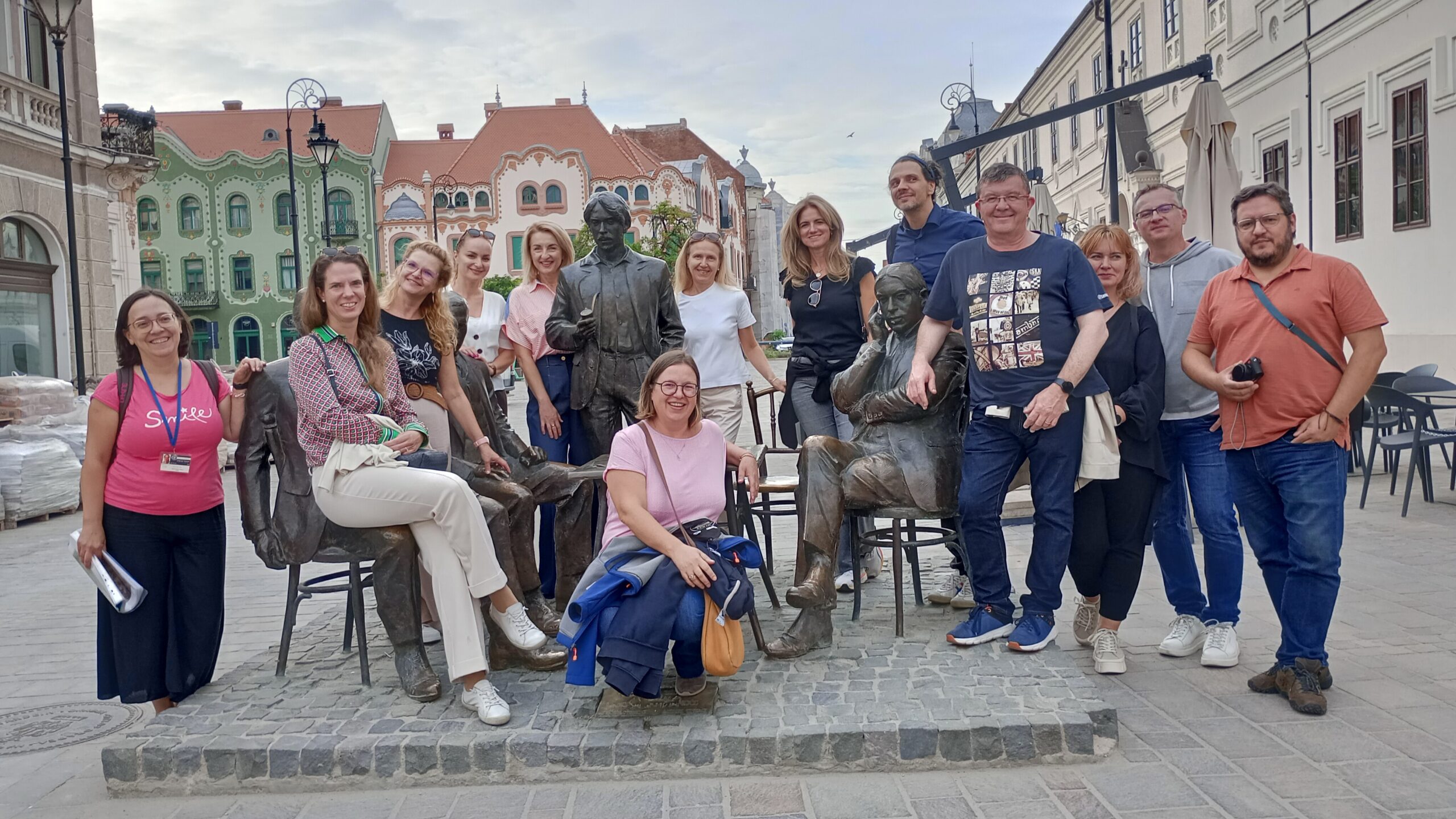
Complemented by cultural and networking activities, the WP6 meeting in Wrocław was widely regarded as a success, reaffirming the EU GREEN Alliance’s strong commitment to inclusive, innovative, and sustainable internationalisation and mobility in European higher education.