
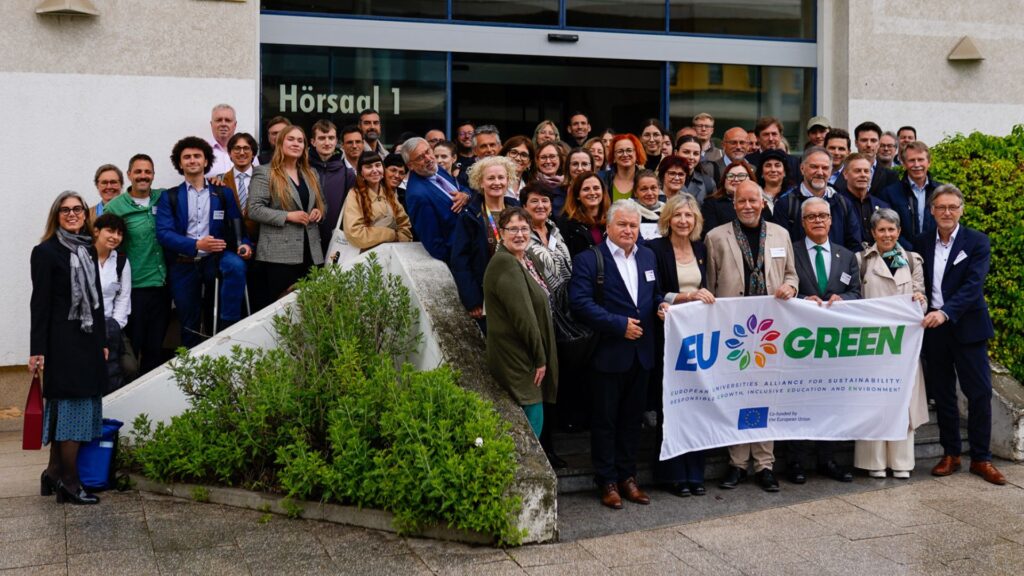
From 5 to 7 May 2026, the Otto von Guericke University Magdeburg hosted a new edition of the EU GREEN Board of Rectors Meeting, bringing together rectors, senate members, executive committees, student representatives and infrastructure experts from across the Alliance to define the strategic direction of EU GREEN for the coming years.
The three-day programme focused on some of the most important challenges and opportunities facing European University Alliances today: governance, sustainability, mobility, digital transformation, student participation, and the long-term consolidation of a truly integrated inter-university campus.
A major theme throughout the meeting was the future sustainability of the Alliance, especially in the context of evolving European funding frameworks. During the governance sessions, rectors highlighted the importance of strengthening collaboration with regions and national ministries, while reinforcing EU GREEN’s credibility through institutional integration, shared strategies, and long-term commitment from partner universities.
Participants also reaffirmed their confidence in the continuity of the Alliance regardless of future funding scenarios, committing to maintain dedicated institutional teams and continue advancing strategic priorities such as Blended Intensive Programmes (BIPs), programme harmonisation, Erasmus+ own funds and regional knowledge transfer initiatives.
Another central topic was the development of the EU GREEN Global Strategic Roadmap, including discussions on the role of communication, European values, civic engagement and advocacy as key pillars of the Alliance’s identity and mission. The sessions also explored how EU GREEN can further demonstrate its added value to regions, cities and local communities through stronger impact evaluation and collaboration on sustainability challenges.
The meeting featured the participation of several distinguished external experts and representatives from major European higher education and innovation networks, who contributed strategic perspectives on the future of European University Alliances.
Among the invited speakers was Prof. Beatrix Busse, Chair of FOREU4ALL, Chief Development Officer of the EUniWell Alliance, Vice Rector for Studies and Teaching, and Full Professor of English Linguistics at the University of Cologne. Her intervention focused on the role of alliances in shaping the future European Higher Education Area through cooperation, innovation and institutional transformation.
The programme also welcomed Prof. Stefan Lang, Secretary General of the CIVIS Alliance and Full Professor of Geoinformatics at the University of Salzburg, who shared insights into governance models, inter-university collaboration and the development of shared infrastructures across alliances.
Another key contribution came from Meritxell Vinyas Clos, FOREU4ALL Subgroup Leader in the Research and Innovation Workpackage for Shared Infrastructures and Research Infrastructures and Services Manager at the Universitat Politècnica de Catalunya. Her expertise supported discussions on research infrastructures, digital resources and the development of common tools and services for European alliances.
The institutional and policy perspective was strengthened by the participation of Caroline Censier-Camus, Project Officer for European Universities at the French Ministry of Higher Education, Research and Innovation, who provided valuable insights into the evolving European policy landscape and the strategic importance of alliances within the future of European higher education.
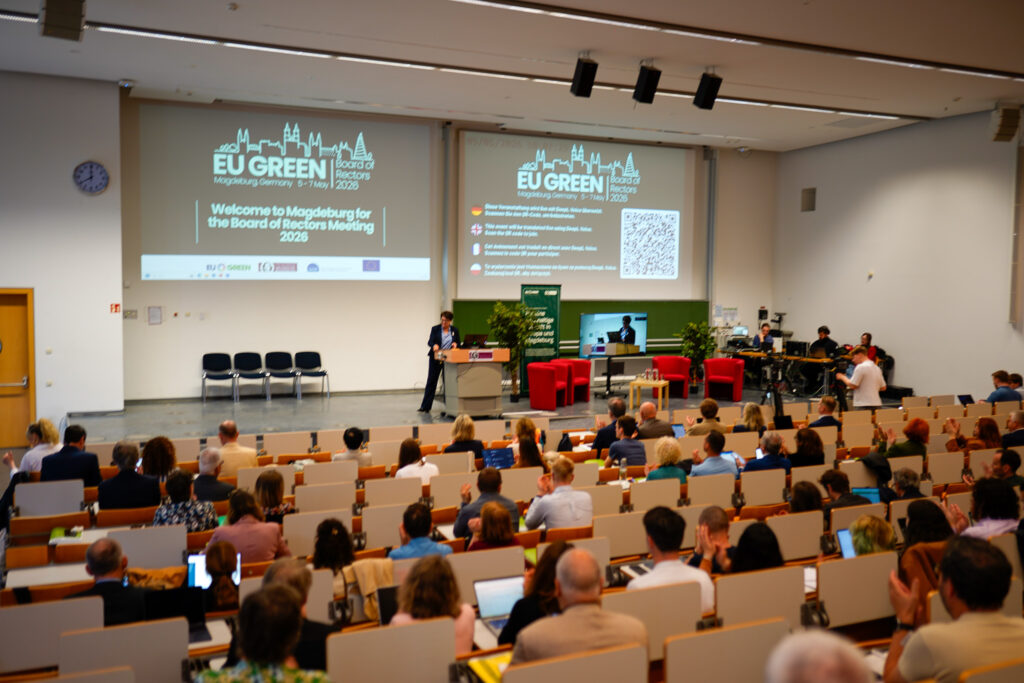
Participants also benefited from the experience of Dr. Annette Klinkert, CEO of city2science and Managing Director of the COLOURS Alliance (2024–2025), whose sessions explored stakeholder engagement, governance structures and the importance of connecting universities with cities, regions and society.
In addition, Maria Valerie Schegk, General Secretary of the YUFE Alliance, joined discussions focused on governance and legal structures, contributing expertise on alliance sustainability, organisational development and long-term strategic planning.
The presence of these experts enriched the discussions and reinforced EU GREEN’s commitment to positioning itself within the broader ecosystem of European University Alliances, fostering dialogue, collaboration and mutual learning across Europe.
The meeting placed particular emphasis on the construction of the EU GREEN Inter-University Campus. Discussions addressed the evolution of the Agora platform, the creation of shared policies on research infrastructures, academic courses and microcredentials, as well as administrative and financial frameworks to facilitate joint degrees and mobility across institutions.
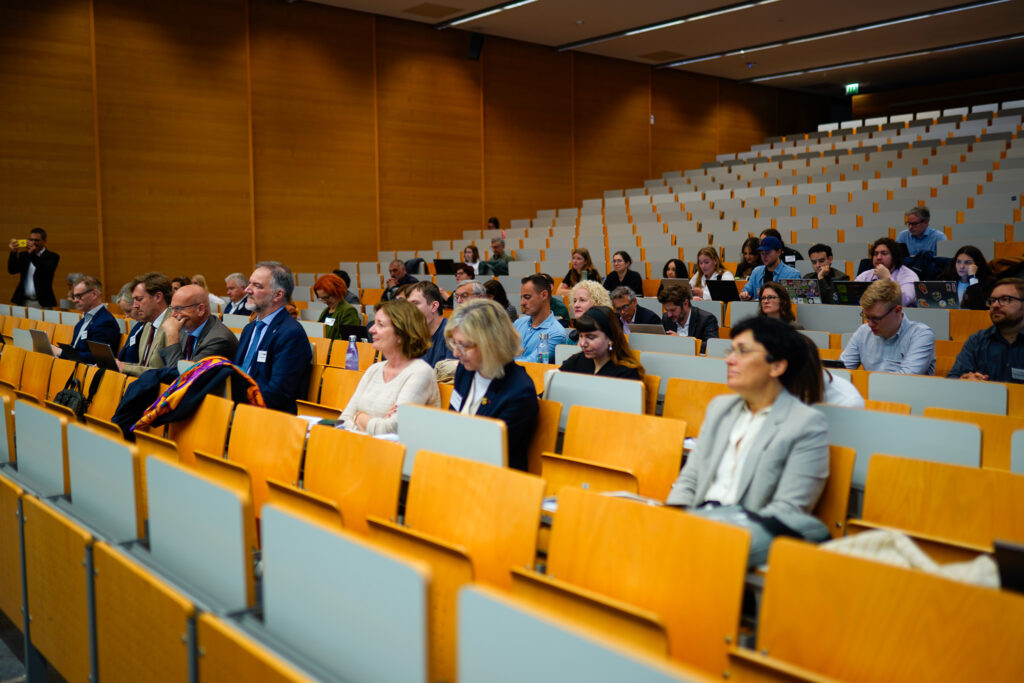
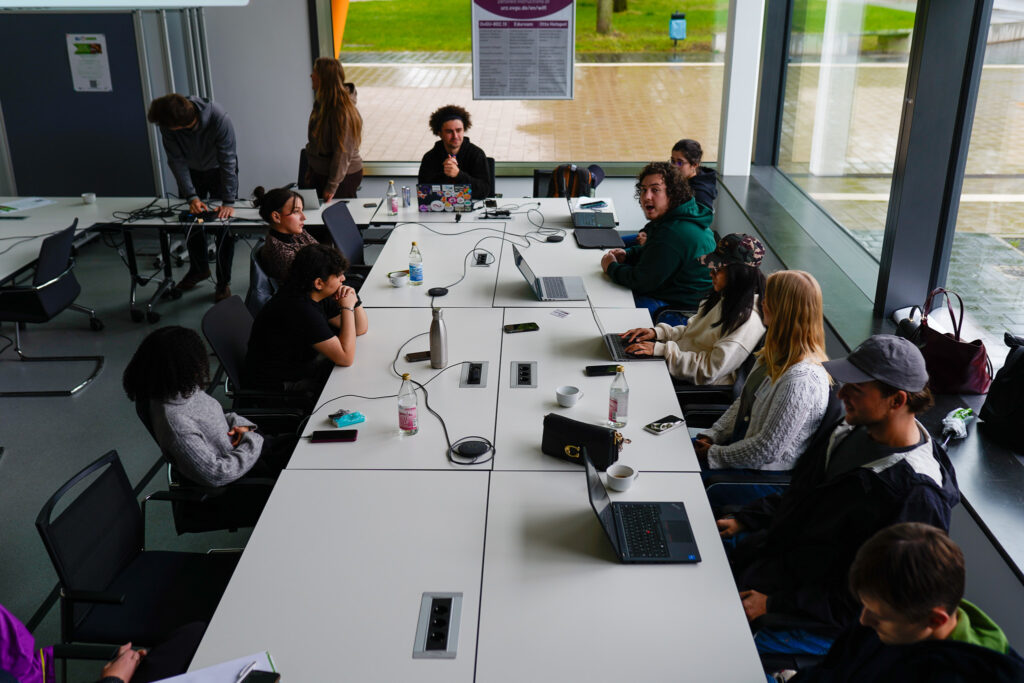
Student participation also played a central role throughout the programme. Representatives of the EU GREEN Student Council contributed to strategic discussions related to the Student Declaration, student hubs and the future roadmap of the Alliance. Dedicated sessions focused on developing realistic and inclusive solutions to strengthen student engagement across all partner universities.
In parallel, executive and infrastructure sessions examined the future structure of EU GREEN 2, digital education resources, mobility hubs, research and innovation strategies, and the development of action plans aimed at reinforcing collaboration across all areas of the Alliance.
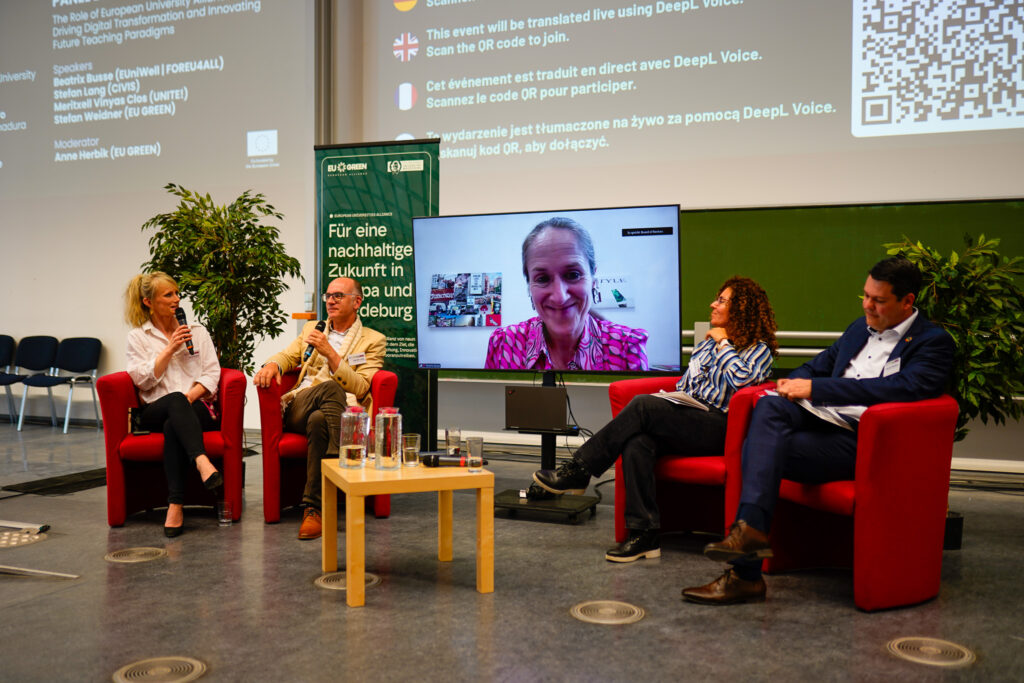
One of the highlights of the event was the panel discussion on the role of European University Alliances in driving digital transformation and innovating future teaching paradigms, reflecting EU GREEN’s ambition to position itself as a leading actor in the transformation of higher education in Europe.
The meeting in Magdeburg reaffirmed the Alliance’s shared commitment to building a more connected, sustainable and student-centred European Higher Education Area. The next gathering of all EU GREEN governing bodies will take place during the EU GREEN Annual Meeting in October 2026, hosted by the University of Oradea in Romania, where the Alliance will continue shaping its future roadmap and strategic priorities.