
Four years on, Research Week continues to turn conversation into collaboration and collaboration into lasting impact
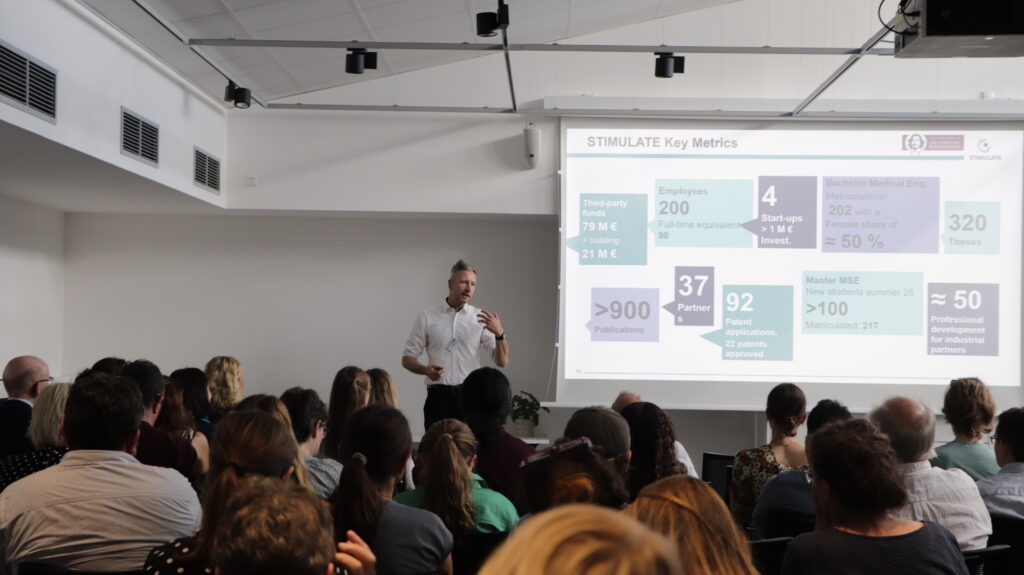
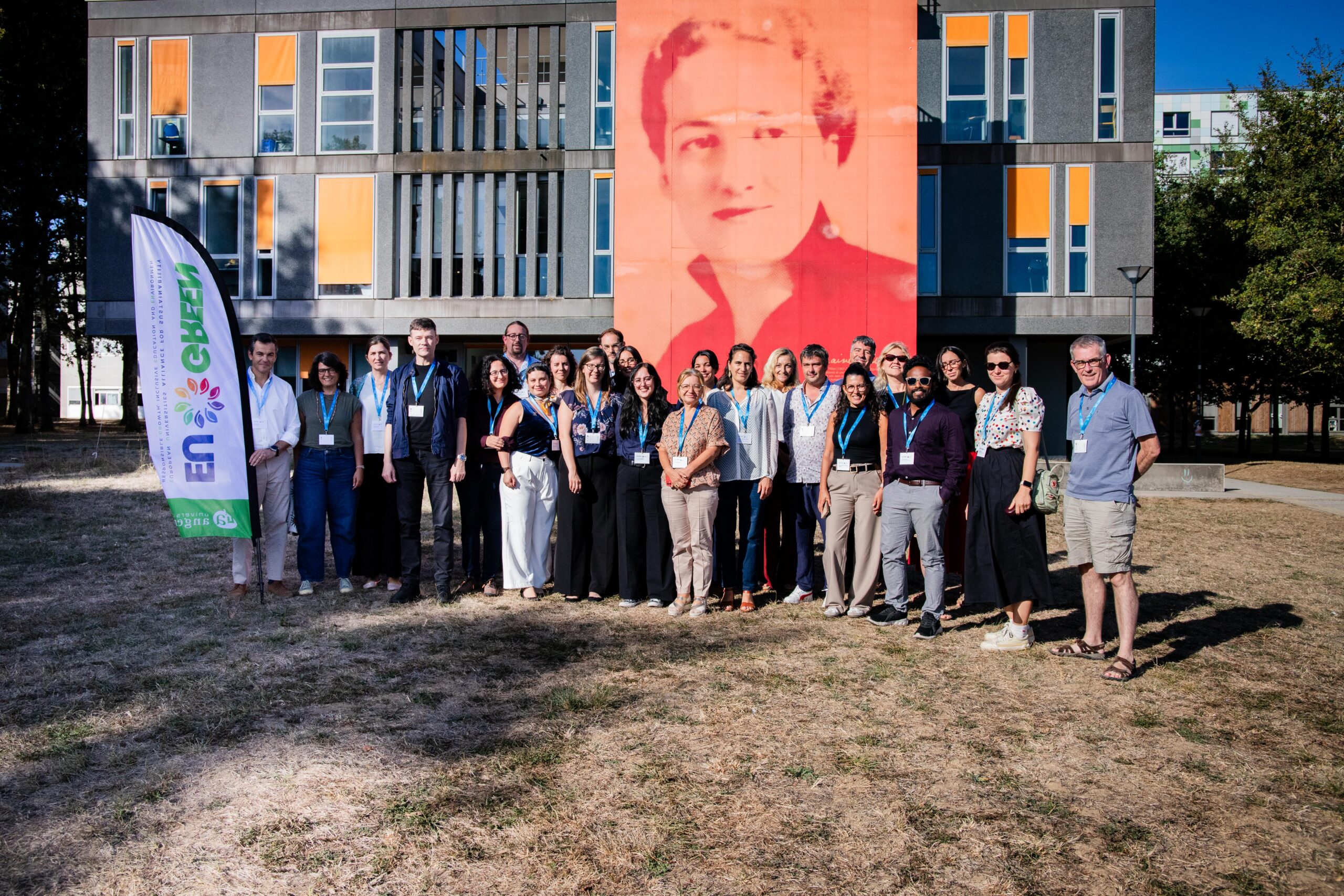
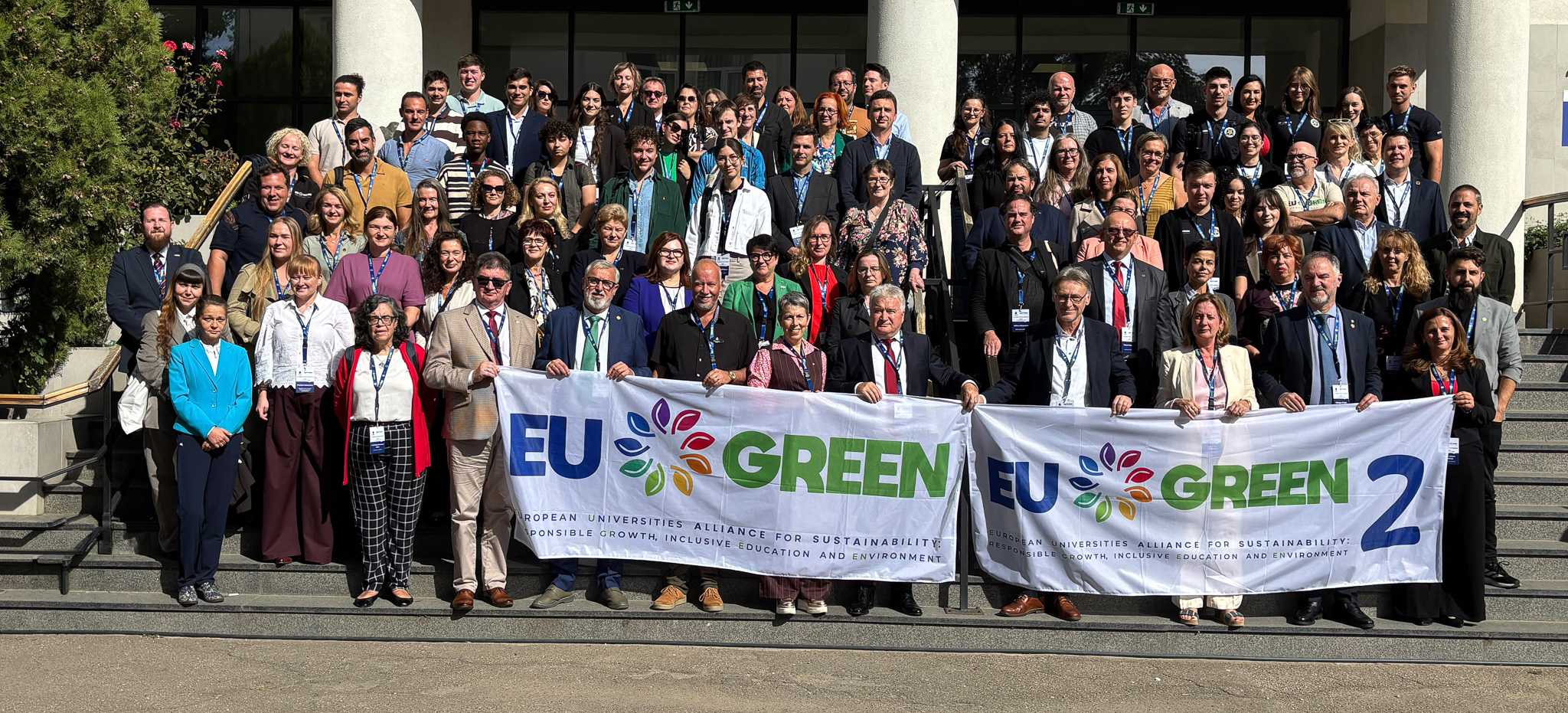
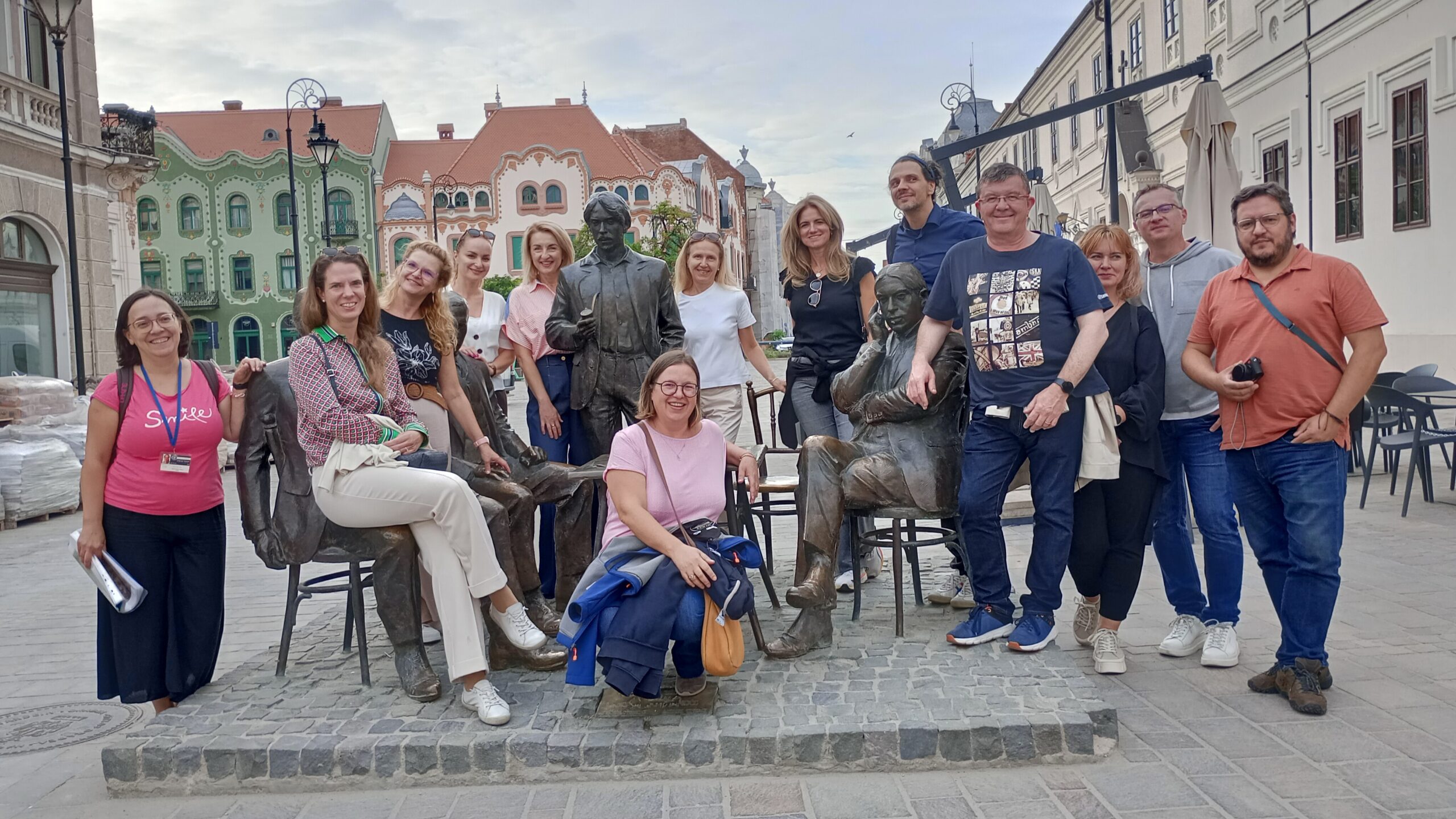
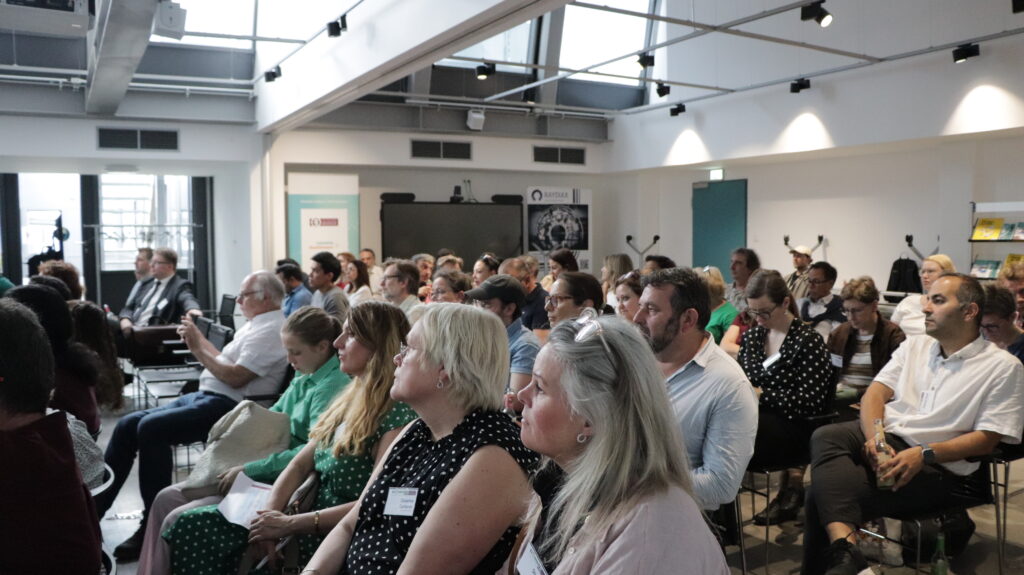
The fourth edition of the EU GREEN Alliance Research Week, hosted by Otto von Guericke University Magdeburg, brought together researchers, research support professionals and academic leaders from all nine partner universities. Additionally, for the firs time, the Librarian Network were present at this Research Week. Over the course of the week, returning participants reconnected and new collaborations took shape, all against a backdrop of substantive working sessions, workshops and structured exchange that reflected both the depth of the Alliance’s research agenda and the strength of the community behind it.
Cross-cluster meetings played a central role in the programme, bringing research clusters into dialogue across disciplinary boundaries. Alongside the advancement of existing collaborative projects, these sessions continued to generate the kind of unexpected connections that are difficult to engineer and increasingly characteristic of what the Research Week makes possible.
A notable addition this year was a dedicated brokerage session on Horizon Europe grant applications. Researchers and support staff came together to identify funding opportunities, match expertise across institutions and lay practical groundwork for future joint applications. It was a timely addition, and one that is likely to become a fixture.
Workshops throughout the week were facilitated by teams from Otto von Guericke University Magdeburg and other Alliance members, covering communication for researchers, open science, gender gap in STEM, as well as impact in Horizon projects. A Hall of Fame presentation offered a moment of collective reflection, bringing together the Alliance’s most significant research achievements over its four-year history, serving a reminder of how much has been built, and by whom.
The EU GREEN librarians’ group, coordinated by the University of Parma, convened to advance joint actions on procedural harmonisation, mediation and Open Science. Vice-Rectors for Research and their delegates addressed future strategic directions for the Alliance, with particular attention to the progressive institutionalisation of research activities across all nine partner universities.
Looking ahead, the research group coordinated by the University of Angers presented the EU GREEN 2 proposal, currently under evaluation. The project aims to consolidate what the Alliance has already achieved while expanding the opportunities available to researchers across all nine institutions.
AGORA, the Alliance’s shared platform for research support tools, transversal courses, traineeships and co-supervision opportunities, continues to grow as a practical resource connecting researchers and students across the partner universities.
If the Research Week in Magdeburg demonstrated anything, it is that EU GREEN is a network with real momentum, one where the work is serious, the relationships are genuine, and the invitation to get involved remains open.