
Proffesor Pedro M. Fernández Salguero, Rector of the University of Extremadura
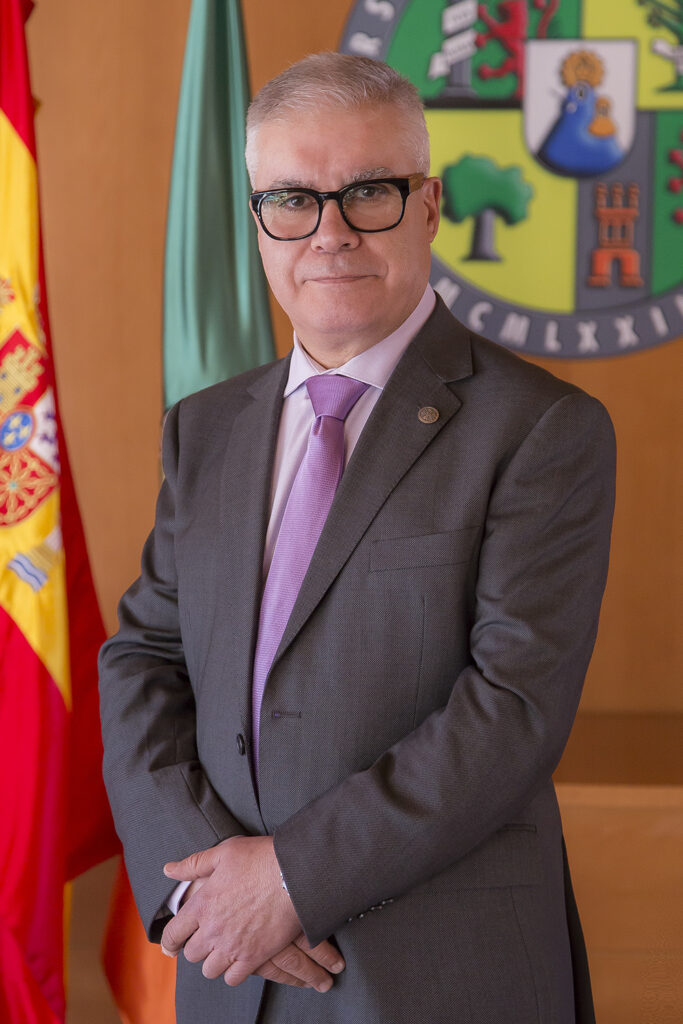
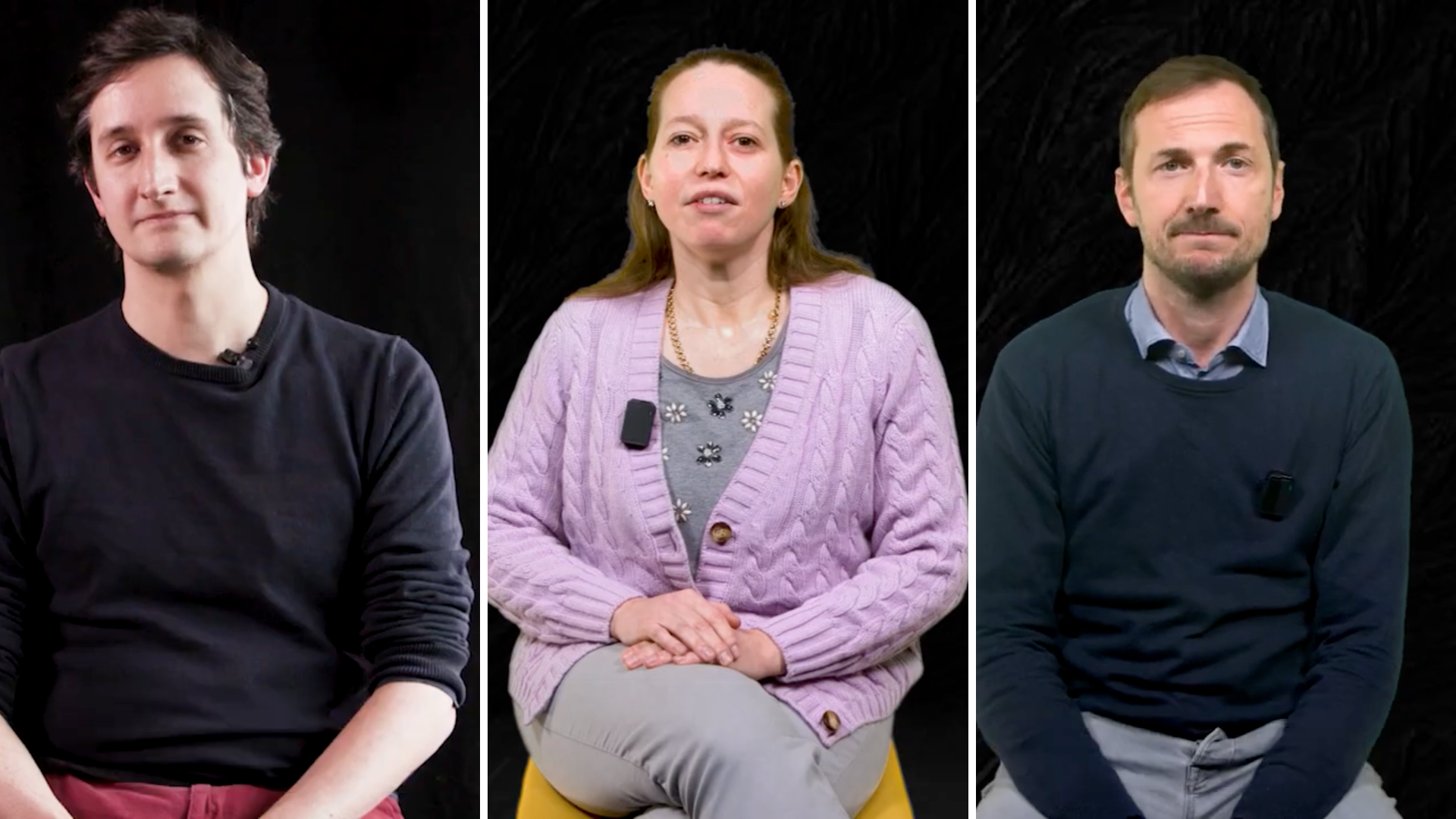
Pedro M. Fernández Salguero has been a Full Professor of Biochemistry and Molecular Biology since 2010. He carried out his postdoctoral training at the National Cancer Institute, NIH, USA (1991–1997). He leads the research group Molecular Cancer Biology and is co-inventor of patents licensed to pharmaceutical companies. He served as associate manager of Spain’s National Plan for Biomedicine at the Ministry of Science and Innovation (2011–2017). From 2019 to 2023, he was Vice-Rector for Research and Knowledge Transfer at the University of Extremadura. He has received several national and international awards for research and technology transfer.
- What are its main geographical and economic features on your region? What disciplines does it cover? Which study programmes are most popular or provide the best career prospects locally?
The region of Extremadura is located in the southwest of Spain, on the border with Portugal, with which it maintains a close and fraternal relationship. It is one of the largest regions in Europe, covering an area of approximately 41,600 km²—comparable in size to Belgium. Extremadura is divided into two provinces: Cáceres in the north and Badajoz in the south. The regional capital is Mérida. Extremadura is a land of great contrasts and is regarded as one of Spain’s most important ecological enclaves. The region is deeply connected to nature and rural life, with an economy historically based on agriculture and livestock farming, which have coexisted in harmony with the environment for centuries.
Its historical heritage is equally among the most outstanding in the Iberian Peninsula. Both Cáceres and Mérida—two of the region’s main cities—have been granted the honor of being designated UNESCO World Heritage Cities. Mérida boasts an extraordinary Roman legacy, as Augusta Emerita was one of the most important cities of ancient Rome and the capital of the province of Lusitania. Cáceres preserves an impressive historic center, one of the best-preserved medieval and Renaissance architectural ensembles in Europe. Other notable towns include Guadalupe, Trujillo, and Zafra.
Although schools existed for more than 200 years, the University of Extremadura (UEx) as such was founded in 1973. UEx is a public university with over 24,000 undergraduate and postgraduate students, and another 8,000 enrolled in doctoral programs, specialized courses, or lifelong learning. Teaching is carried out by 1,500 faculty members, and more than 800 staff provide administrative, technical, and service support. Ranked between 700 and 800 in the Shanghai Ranking and between 20 and 25 in the national Ranking, UEx is a young and dynamic institution that stands out as a comprehensive university offering undergraduate, master’s, and doctoral programs across its 17 faculties. It has strong academic and research excellence in disciplines such as medicine, nursing, veterinary science, industrial engineering, and sports sciences. The university is firmly committed to research and innovation, high-quality teaching, and the internationalization of its programs, aiming to consolidate its role as an academic and social benchmark through its Strategic Plan, now aligned with the European University Alliance it leads.
What is your perspective on this initiative? How is your university participating in the EU GREEN Alliance?
From my perspective, given the current geopolitical situation, European alliances are more important than ever. My university serves as the link for the complex coordination of the nine institutions. We had collaborated before, but the current level of cooperation demands greater commitment, mutual trust, and, above all, confidence in the leadership provided by UEx
Do you believe this initiative can foster not only inter-university collaboration but also strengthen ties between our regions and municipalities?
With several wars at its doorstep, Europe is striving to rebuild its identity and unity through its universities, overcoming legal, cultural, and linguistic barriers to create 65 super-campuses that will connect the continent around European values and provide higher-quality, more effective training in the disciplines required at this historic moment. Europe is made up of its regions, and the European Universities initiative is a powerful driver to improve territories through knowledge transfer.
In many global university systems, research is increasingly tied to social engagement and knowledge transfer. Is this true for your institution as well?
I can say that we are proud to have created six research areas that are working to secure joint international projects. The idea is to share human and technological resources, combining strengths and minimizing weaknesses. To give an example: in the past, if a researcher wanted to apply for a European project, finding suitable partners was a complex task. Now, thanks to this network, we already have the partners. In fact, within just one year we have achieved several joint European projects, and work is underway to multiply these results. We are also cataloguing the academic offerings of the nine universities and analyzing which joint bachelor’s or master’s degrees should be strategically developed to benefit both our institutions and our regions. In addition, several international courses have been organized among the universities, combining virtual and in-person teaching. Online classrooms for language practice, open to the entire university community, will also be launched, and mobility opportunities for students, faculty, and administrative staff have been significantly increased.
- In your view, how is the EU GREEN project helping to shape the citizens of tomorrow?
We are already seeing the impact, as we are training students in the skills required in today’s geopolitical context in an effective and rapid way through micro-credentials and BIPs with experts from nine countries. It is essential to equip students with international competences for a global world, because even if one works from small towns or big cities, knowing languages alone is no longer enough to communicate within a team. One must also know and understand other cultures, their ways of working, and their perspectives on the world. Through our joint programs, students acquire key competences such as languages, global and international awareness, sustainability, inclusion, equality, and other European values that are so necessary today.
Of course, the impact of the EU GREEN Alliance will soon become even more evident with the launch of joint master’s and doctoral programs and with the transformation of our campuses to make them more competitive, innovative, and sustainable. This will allow students, researchers, and administrative staff to receive training, conduct research, and carry out internships across multiple campuses, as well as obtain degrees awarded jointly by three or four universities.
Professor Krzysztof Kubiak, Rector of the Wrocław University of Environmental and Life Sciences
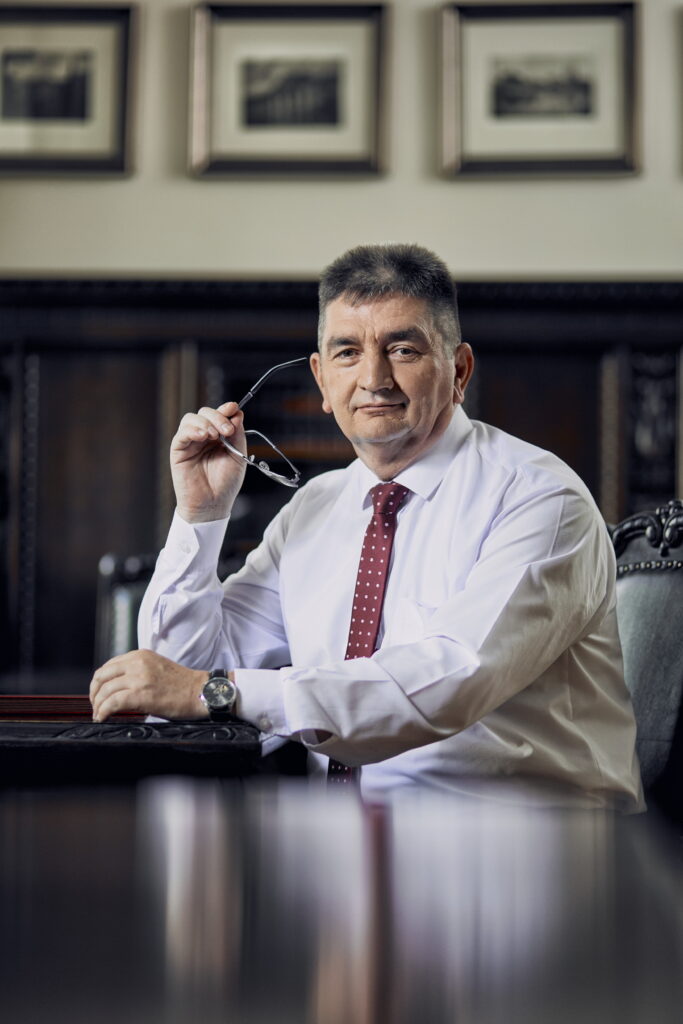
Professor Krzysztof Kubiak currently serves as Rector of the Wrocław University of Environmental and Life Sciences for the 2024–2028 term. He holds the title of professor in veterinary sciences, having earned both his doctoral degree and habilitation at the same university. His academic and professional background is rooted in the diagnosis and treatment of diseases in companion animals, particularly dogs and cats. His scientific work focuses on the use of advanced diagnostic techniques, including endoscopy, ultrasonography, elastography, and magnetic resonance imaging.
Throughout his academic career, he has been affiliated with the Wrocław University of Environmental and Life Sciences, where he also established the Wrocław School of Veterinary Endoscopy. Before assuming the role of Rector, he served as Vice-Dean for Student Affairs and subsequently as Dean of the Faculty of Veterinary Medicine.
What are its main geographical and economic features on your region? What disciplines does it cover? Which study programmes are most popular or provide the best career prospects locally?
Wrocław is a city with a unique geographical location – it’s situated on the Oder River and its tributaries, at the crossroads of major transportation routes in south-western Poland. It is one of the country’s leading academic, economic, and technological hubs, known for its rapidly growing IT sector, biotechnology industry, food production, and environmentally sustainable engineering solutions.
In this context, the Wrocław University of Environmental and Life Sciences responds to regional needs not only through its educational programmes, but also through scientific research and active collaboration with industry. Our university specializes in the fields of life sciences, agriculture, veterinary medicine, food science, and engineering, and our identity is firmly rooted in responsibility for the environment, sustainable development, and the improvement of life quality for both humans and animals.
We are more than just numbers – although we educate approximately 6,500 students and employ over 700 academic staff – we are a vibrant academic community that develops innovative solutions in the areas of food safety, animal health, biotechnology, environmental protection, water management, and precision agriculture.
Among the most popular study programmes are: Veterinary Medicine, Dietetics, Biotechnology, Spatial Management, Landscape Architecture, Geodesy and Cartography and Economics. We are constantly evolving and adapting to the changing needs of society and the labour market. After introducing the Adaptations to Climate Change programme last year, we have now launched a new degree programme – Satellite and Space Data Engineering.
These are not only prestigious but also emerging and highly-in-demand fields of study – particularly in the context of the regional job market. This is confirmed by the 2025 Perspektywy University Ranking, where our university ranked 1st among environmental and agricultural universities in Poland.
Furthermore, our commitment to sustainable development has been recognised in the 2025 Times Higher Education Impact Rankings – an international assessment measuring universities’ contributions to the United Nations’ Sustainable Development Goals. The Wrocław University of Environmental and Life Sciences was especially distinguished in the following goals: SDG 2: Zero Hunger, SDG 11: Sustainable Cities and Communities, SDG 15: Life on Land, SDG 8: Decent Work and Economic Growth and SDG 17: Partnerships for the Goals.
This recognition proves that we not only educate specialists in areas vital to today’s global challenges but also actively engage in addressing them – through education, research, and international collaboration.
As Rector, I take particular pride in the fact that the Wrocław University of Environmental and Life Sciences is a place where science and practice come together in a spirit of responsibility – toward people, animals, and the planet.
What is your perspective on this initiative? How is your university participating in the EU GREEN Alliance?
The European Universities Initiative represents one of the most visionary and impactful developments in European higher education in recent decades. Especially in today’s complex geopolitical context, it serves as a stabilizing force and a catalyst for sustainable growth – both academically and financially. More than that, it symbolizes a commitment to excellence, innovation, and shared European values, positioning member institutions at the forefront of educational transformation.
At the Wrocław University of Environmental and Life Sciences, we are proud to be an active member of the EU GREEN Alliance. Our university has the honor of leading Work Package 2: An Educational Model Centred on Sustainability and the SDGs. We recognize the great responsibility and trust placed in us, especially considering that education lies at the very heart of the European Universities Initiative.
Our team – comprising experts from across the alliance – works intensively on shaping a future oriented, student-centered, sustainability and research-driven academic framework. This includes the development of joint degree programmes, Blended Intensive Programmes, microcredentials, and the redesign of existing curricula to embed sustainability principles throughout. Additionally, we are developing a Minor in Sustainability, ensuring that students across disciplines can engage meaningfully with these crucial themes.
Equally important is our commitment to supporting and empowering educators. Through the EU GREEN Pedagogical and Professional Development Programmes, we provide our academic staff with the tools and methodologies needed to deliver high-quality, sustainability and research-oriented, student and learner-centered education. This comprehensive approach reflects our conviction that lasting change in higher education begins with people – both students and teachers.
Our involvement in EU GREEN closely aligns with the strategic goals of our university, particularly in advancing educational innovation, strengthening internationalization, and integrating sustainability and quality assurance across all aspects of academic life. Participation in the alliance directly supports the implementation of our long-term priorities and underscores our commitment to becoming a leading hub of sustainable and responsible education in Europe.
Do you believe this initiative can foster not only inter-university collaboration but also strengthen ties between our regions and municipalities?
As a scientist, I approach this question not only with conviction, but with evidence. The European Universities Initiative – and in particular our EU GREEN Alliance – has already demonstrated its ability to foster deep, meaningful connections, not only among universities, but also between the regions and municipalities we represent.
A compelling example of this is found in the governance structure of our alliance. The EU GREEN Senate, one of our primary decision-making bodies, reserves three seats specifically for representatives of our Associated Partners – a clear reflection of our commitment to regional integration. At present, these seats are partially filled by representatives from the Alentejo region in Portugal and Angers Loire Métropole in France, underscoring the growing role of local and regional authorities as active stakeholders in our shared academic mission.
At its core, this initiative is about building networks – not only academic or research-based, but networks of people, communities, and regions. We are intentionally moving beyond the traditional boundaries of academia to engage with real-world challenges and opportunities in our cities and regions.
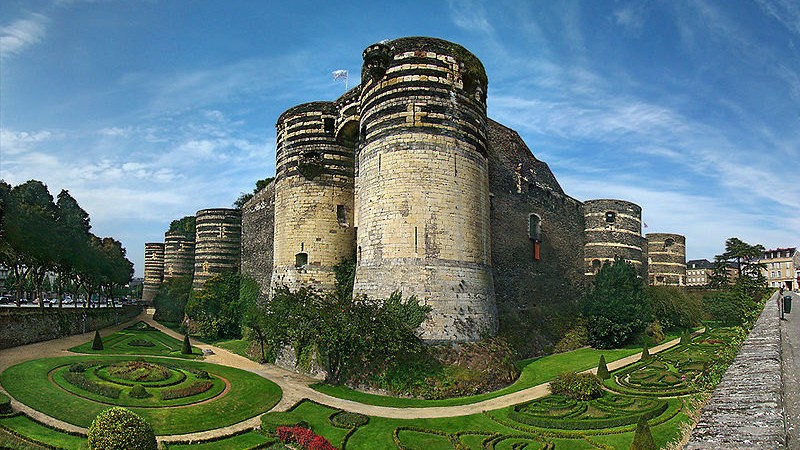
In October 2025, we have taken this commitment a step further by gathering in Angers alongside regional authorities from across our partner institutions under the Conference of Parties initiative. This meeting marked a significant milestone, demonstrating how academic collaboration can serve as a catalyst for regional development, policy alignment, and shared innovation.
What makes our alliance truly powerful is its diversity – universities of varying sizes, disciplines, and cultural backgrounds. These differences are not barriers, but rather sources of creativity, inspiration, and mutual growth. They enable us to exchange ideas and co-create solutions with an impact that reaches far beyond our campuses.
At present, our Alliance is perfectly suited to leverage S4 policies. By transitioning toward Sustainable Smart Specialisation Strategies, we can deepen our long-term regional partnerships.
In many global university systems, research is increasingly tied to social engagement and knowledge transfer. Is this true for your institution as well?
At the Wrocław University of Environmental and Life Sciences, we firmly believe that scientific research must go beyond the confines of academia and make a real impact on society. Our commitment to the so-called “third mission” – encompassing community engagement and knowledge transfer – is deeply embedded in our institutional identity and research strategy.
One key example of this is our strong involvement in community-supported agriculture (CSA). This innovative model fosters collaboration between researchers, farmers, and local residents, in which consumers become active partners of food producers. Our staff members actively participate in CSA schemes, providing vegetables and other products grown on our university-owned experimental farms and research stations. In this way, we connect science with daily life, while supporting local food systems and sustainable agriculture.
Another important initiative is the development of our Urban Farm in Swojczyce, located on the grounds of our Teaching and Research Station. Operated in cooperation with the City of Wrocław, this farm supplies fresh vegetables to local nurseries. The project not only promotes healthy nutrition among the city’s youngest residents, but also offers social inclusion opportunities by employing people at risk of exclusion and providing them with new vocational skills. Surplus harvests are turned into nutritious meals, which are distributed to those in need, including the elderly and refugees, aligning with the principles of a circular economy and minimizing food waste.
Our efforts are also part of international research and social innovation projects funded under the Horizon Europe programme, such as FoodSHIFT 2030 and FOODCITYBOOST. These initiatives promote new models of urban agriculture, sustainable food systems, and participatory urban planning. They allow us to work alongside cities and civil society organizations across Europe to co-create solutions that respond to both scientific challenges and community needs.
By operating at the intersection of research, education, and civic engagement, we demonstrate that a university can be not only a generator of knowledge, but also a responsible actor in delivering real, lasting impact to society.
In your view, how is the EU GREEN project helping to shape the citizens of tomorrow?
What I value most about the EU GREEN project is its deeply human dimension. In an era increasingly shaped by artificial intelligence and digital transformation, human relationships, empathy, and shared values matter more than ever. EU GREEN is not only about academic excellence – it’s about shaping individuals who are engaged, responsible, and globally minded.
Through this initiative, we are equipping students with more than just knowledge and skills. We are giving them experiences that shape their worldview – through mobility opportunities, joint educational programmes, cross-cultural collaboration, and active participation in sustainability-driven projects. These young people are not only future scientists or professionals. They are future citizens of Europe and the world – individuals who will carry international perspectives, value cooperation, and contribute meaningfully to society and the planet.
Before long, today’s participants in EU GREEN mobilities and initiatives will emerge as the next generation of leaders, innovators, and changemakers. Operating in a global context but acting locally, they will be united by a common mission: to advance the sustainability of our planet and the well being of our communities.
At the heart of EU GREEN is this simple but profound truth: the future of Europe – and of our world – depends on the people we educate today.